The Future of Digital Assets: Tokenization and Institutional Adoption
As the cryptocurrency industry approaches December 2025, a pivotal transformation unfolds marked by the rise of tokenization and institutional participation. This 'second act' of crypto emphasizes regulatory clarity and the integration of traditional finance, reshaping the digital asset landscape.
Written by CoinArticle’s AI Newsroom · from 1 cited source. How we work
The Evolution of Digital Assets
As December 2025 approaches, the cryptocurrency industry stands at a pivotal juncture. Industry observers are describing this moment as crypto's "second act"—a maturation phase characterized by institutional adoption and regulatory clarity, distinct from the sector's initial speculation-driven era.
Tokenization Emerges as Core Infrastructure
Tokenization has emerged as a fundamental driver of this transformation. The process of converting real-world assets into digital tokens on blockchain networks is enabling new forms of ownership, trading, and settlement across various asset classes. This technology is providing traditional financial institutions with practical applications beyond the original cryptocurrency use cases, creating bridges between legacy financial systems and blockchain-based infrastructure.
Regulatory Frameworks Take Shape
The evolving regulatory landscape is playing a crucial role in this transition. Governments and financial authorities worldwide have been developing frameworks to govern digital assets, providing the legal certainty that institutional participants require. This regulatory evolution addresses compliance requirements, investor protection measures, and operational standards that enable traditional finance entities to engage with blockchain technology within established legal parameters.
Traditional Finance Integration Accelerates
Traditional financial institutions are deepening their involvement in the Web3 ecosystem. Banks, asset managers, and other established financial entities are incorporating blockchain-based solutions into their operations. This integration represents a shift from peripheral experimentation to core business implementation, as these institutions recognize the efficiency gains and new market opportunities available through tokenization and distributed ledger technology.
Market Implications
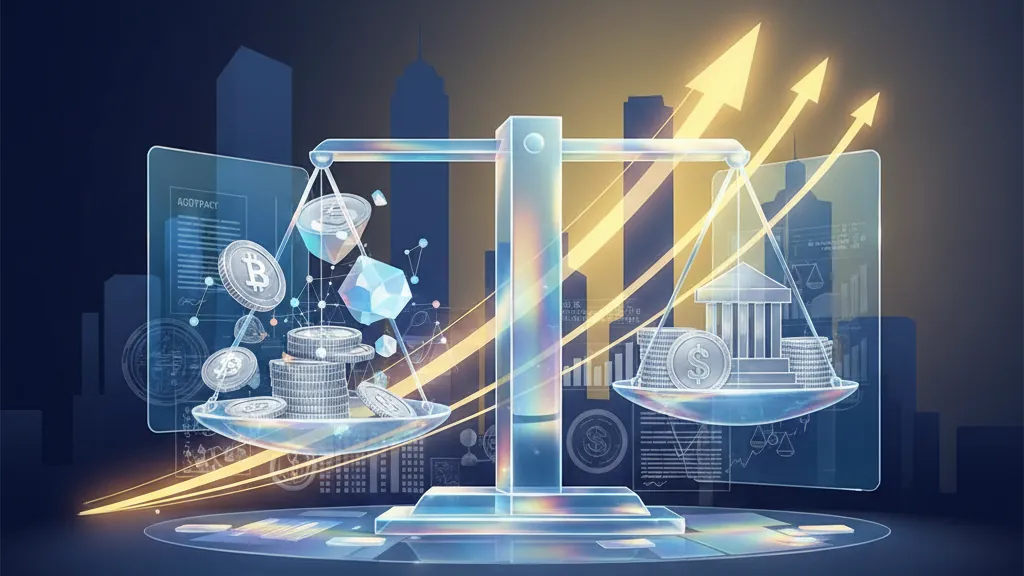
The convergence of tokenization, regulatory clarity, and traditional finance participation is reshaping the digital asset landscape. This development suggests a potential transition from a primarily retail-driven market to one with significant institutional infrastructure. The integration of traditional finance brings established risk management practices, compliance frameworks, and operational expertise to the Web3 space.
The implications extend beyond market structure. As tokenization enables fractional ownership and 24/7 settlement capabilities, it challenges conventional assumptions about asset accessibility and market operations.
Looking Ahead
The characterization of this period as crypto's "second act" reflects a fundamental shift in how digital assets are being positioned within the broader financial system. With tokenization providing practical utility, regulations offering legal frameworks, and traditional finance contributing institutional rigor, the cryptocurrency sector is entering a phase defined less by speculation and more by infrastructure development and real-world application.
Why It Matters
For Traders
The evolving digital asset landscape offers new trading opportunities as tokenization and regulatory clarity create a more reliable market environment. Traders can leverage fractional ownership to access previously illiquid assets.
For Investors
Long-term investors can find confidence in a maturing market that includes institutional participants, providing greater liquidity and stability. The convergence of traditional finance with blockchain technology enhances investment prospects in this emerging asset class.
For Builders
Developers and builders are presented with abundant opportunities for innovation within the Web3 ecosystem. The integration of blockchain technology into traditional finance invites the creation of more effective solutions tailored to meet regulatory and operational standards.
This article is for information only and is not financial advice. Read the full disclaimer.