Geopolitical Tensions in Middle East May Affect Crypto Markets
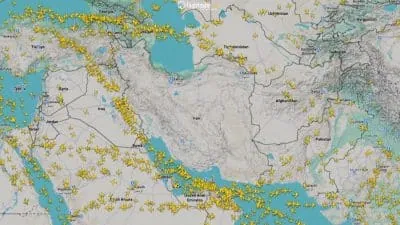
Military tensions in the Middle East have escalated following attacks on Iranian nuclear sites, raising concerns about regional instability and potential airspace closures. Geopolitical risk typically correlates with increased demand for non-correlated assets like Bitcoin and safe-haven flows.
Written by CoinArticle’s AI Newsroom · from 1 cited source. How we work
Escalating Regional Tensions
Military strikes on Iranian nuclear facilities have intensified geopolitical friction in the Middle East, according to reports. The attacks, attributed to US and Israeli forces, have raised concerns about potential airspace closures and broader regional destabilization that could disrupt global energy markets and trade routes.
Historical Crypto Response to Geopolitical Risk
Periods of heightened geopolitical tension have historically driven demand for assets perceived as uncorrelated to traditional markets and government policy. Bitcoin and other cryptocurrencies have at times seen increased trading activity and inflows during episodes of regional conflict, though causality remains debated among market analysts. Energy prices, which tend to spike during Middle Eastern tensions, also indirectly affect crypto mining economics and market sentiment.
Macro Context
The timing coincides with already-volatile global markets. Any sustained disruption to shipping lanes or energy supplies in the region could trigger broader macroeconomic effects that filter into crypto valuations. Traders monitor geopolitical calendars alongside on-chain and traditional market indicators as part of broader risk assessment.
Why It Matters
For Traders
Watch energy prices and VIX for spillover; historically, geopolitical spikes correlate with Bitcoin inflows within 48-72 hours, though this is not guaranteed.
For Investors
Regional instability that disrupts oil supplies or global trade could trigger broader market volatility; crypto's historical role as uncorrelated asset may attract flows, but macro headwinds pose offsetting risk.
For Builders
If regional tensions drive airspace or shipping closures, infrastructure costs for globally distributed protocols may spike; monitor latency and routing around Middle East gateways.
This article is for information only and is not financial advice. Read the full disclaimer.