Geopolitical Tensions Rise as Oil Markets Face Fresh Uncertainty
Escalating US-Iran tensions following funeral gatherings have reignited concerns about regional stability and crude oil price volatility. The uncertainty complicates diplomatic efforts and adds to macro headwinds already pressuring risk assets including cryptocurrencies.
Written by CoinArticle’s AI Newsroom · from 1 cited source. How we work
Rising Regional Tensions
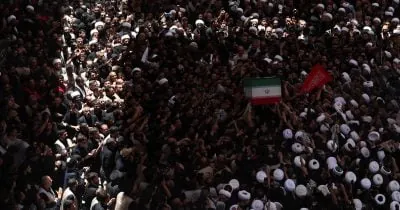
Escalating rhetoric between the United States and Iran has heightened concerns about Middle East stability, with implications extending beyond traditional geopolitics. Funeral gatherings in Iran saw crowds chant calls against the US administration, drawing a response that has further strained already fragile diplomatic channels. The exchange marks another spike in a pattern of tit-for-tat escalation that has periodically disrupted regional peace efforts over the past several years.
Oil Market Implications
Geopolitical friction in the Middle East typically translates to crude oil price volatility. Uncertainty about supply disruptions or shipping lanes can trigger sharp moves in WTI and Brent futures, which in turn ripple through energy stocks and broader risk sentiment. Investors watching macro correlations note that oil spikes often precede equity sell-offs, a dynamic that can drag down cryptocurrencies during risk-off periods.
Broader Market Context
The timing adds pressure to an already complex macro environment. Central bank policy, inflation expectations, and now renewed geopolitical risk create competing forces on capital allocation. Traders and investors monitor these cross-currents closely, as periods of elevated geopolitical tension have historically coincided with crypto volatility as investors rotate between risk-on and risk-off positioning.
Why It Matters
For Traders
Oil volatility from geopolitical risk can trigger sharp intraday swings in risk assets; BTC and ETH correlation to equities tightens during risk-off repricing.
For Investors
Sustained Middle East tensions historically increase safe-haven flows; macro uncertainty prolongs risk-asset pressure regardless of on-chain fundamentals.
For Builders
Periods of geopolitical turmoil redirect institutional attention to macro hedging, potentially delaying venture funding cycles and slowing protocol adoption timelines.
This article is for information only and is not financial advice. Read the full disclaimer.