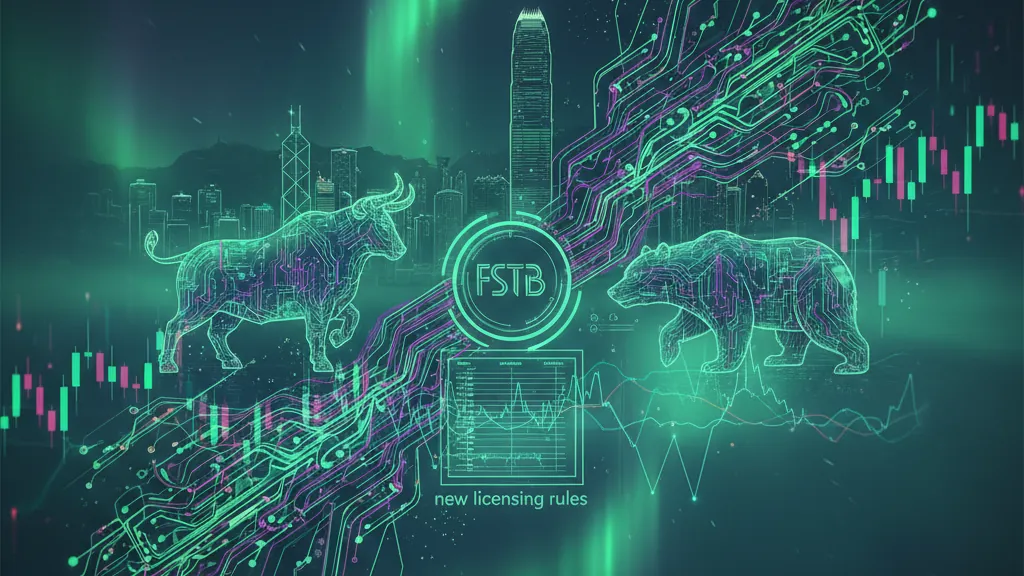
Hong Kong Introduces New Licensing Rules for Crypto Dealers and Custodians
Hong Kong is expanding its crypto regulations with new licensing requirements for virtual asset dealers and custodians. This move strengthens the city's position as a digital asset hub while ensuring robust oversight of the crypto sector.
Written by CoinArticle’s AI Newsroom · from 2 cited sources. How we work
Key Takeaways
- 1**Virtual Asset Dealing Firms**: Entities that facilitate the buying, selling, and trading of cryptocurrencies and other digital assets.
- 2**Custody Service Providers**: Firms responsible for the safekeeping of digital assets on behalf of clients.
- 3Enhance consumer protection and institutional confidence.
- 4Reduce risks associated with fraud, hacking, and mismanagement—issues that have plagued the crypto sector globally.
Hong Kong Introduces New Licensing Rules for Crypto Dealers and Custodians
Hong Kong is taking a significant step in expanding its cryptocurrency regulatory framework as the Financial Services and the Treasury Bureau (FSTB) and the Securities and Futures Commission (SFC) prepare to roll out comprehensive licensing requirements for virtual asset dealers and custodians. This initiative underscores Hong Kong's ambition to become a leading digital asset hub while maintaining rigorous oversight of the rapidly evolving crypto sector.
What We Know
Hong Kong's financial regulators are moving forward with a formal licensing regime targeting two critical segments of the virtual asset industry: dealing firms and custody service providers. Both Cointelegraph and BITRSS confirm that the FSTB and SFC will jointly implement these new requirements.
This regulatory initiative builds on Hong Kong's existing virtual asset policy framework, which already includes a stablecoin licensing blueprint and tokenization guidance. The move signals a commitment to creating a comprehensive regulatory environment that addresses multiple facets of the digital asset ecosystem.
Key Details
The new licensing requirements will specifically target:
- Virtual Asset Dealing Firms: Entities that facilitate the buying, selling, and trading of cryptocurrencies and other digital assets.
- Custody Service Providers: Firms responsible for the safekeeping of digital assets on behalf of clients.
Hong Kong has been progressively enhancing its virtual asset regulatory architecture. The jurisdiction has already introduced a stablecoin licensing framework to provide clear rules for issuers of these dollar-pegged digital currencies. Additionally, authorities have issued tokenization guidance to help traditional financial institutions navigate the process of converting real-world assets into blockchain-based tokens.
By adding dealer and custodian licensing to this framework, Hong Kong is addressing critical infrastructure components of the crypto industry. Custody services, in particular, are becoming increasingly important as institutional investors seek secure storage solutions for digital assets, while dealing platforms serve as essential gateways for market participants.
The collaborative involvement of both the FSTB and SFC highlights Hong Kong's strategic approach to virtual asset regulation, combining policy development with securities market oversight expertise.
Why This Matters
This regulatory expansion is poised to have significant implications for Hong Kong's position in the global cryptocurrency landscape. While other major financial centers wrestle with how to regulate digital assets, Hong Kong is proactively establishing a comprehensive framework that could attract legitimate crypto businesses seeking regulatory clarity.
For the virtual asset industry, clear licensing requirements for dealers and custodians could:
- Enhance consumer protection and institutional confidence.
- Reduce risks associated with fraud, hacking, and mismanagement—issues that have plagued the crypto sector globally.
The move also reflects Hong Kong's strategic vision to balance innovation with investor protection. Rather than imposing blanket restrictions, the city is creating pathways for crypto businesses to operate within a regulated environment. This approach could position Hong Kong as a bridge between Eastern and Western crypto markets.
For businesses operating in Hong Kong's virtual asset space, these new licensing requirements will likely mean increased compliance obligations and operational standards. However, licensed firms could gain a competitive edge by earning enhanced credibility with institutional clients and traditional financial institutions exploring digital asset services.
By continuing to build out its virtual asset regulatory framework—from stablecoins to tokenization to now dealing and custody services—Hong Kong is creating one of the most comprehensive crypto regulatory environments in Asia. This could set a benchmark for other jurisdictions in the region.
Key entities: Hong Kong, FSTB, SFC
Sentiment: Neutral
This article is for information only and is not financial advice. Read the full disclaimer.