Shipping Disruption Near Hormuz Strait Could Raise Global Trade Costs
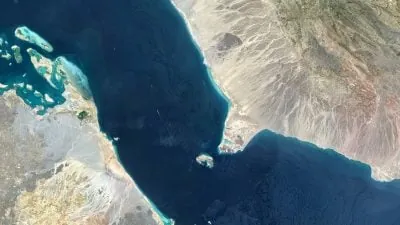
Vessels are clustering near Dubai as Iran asserts control over the Strait of Hormuz, a critical chokepoint for global trade. The disruption may increase shipping costs and affect commodity prices tied to energy markets.
Written by CoinArticle’s AI Newsroom · from 1 cited source. How we work
Geopolitical Tensions at a Critical Shipping Route
Vessels have begun clustering near Dubai as Iran increases its assertion of control over the Strait of Hormuz, one of the world's most strategically important shipping lanes. The strait handles roughly one-third of global seaborne trade and is a primary transit route for oil and liquefied natural gas exports from the Persian Gulf. The vessel clustering suggests heightened caution among maritime operators navigating the region.
Potential Impact on Global Supply Chains
Increased friction in the strait could raise insurance premiums and fuel surcharges for shipping, compressing margins on internationally traded goods. Energy commodities in particular face upward pressure on costs if shipping routes face delays or rerouting. The disruption is relevant to crypto markets insofar as crude oil prices influence traditional asset volatility, which often correlates with risk-off movements in digital assets.
Why This Matters for Market Dynamics
Geopolitical events that raise the cost of energy or delay global commerce tend to elevate macro volatility across all asset classes. Crypto markets have historically shown correlation with equity futures and commodity prices during periods of broad uncertainty, though the relationship is inconsistent and not predictive.
Why It Matters
For Traders
Elevated geopolitical risk typically precedes volatility spikes in equity and commodity futures, which often correlate with crypto liquidations in the 12-24 hours following escalation.
For Investors
Macro stress events that disrupt global supply chains can shift capital allocation away from risk assets; historical data shows limited crypto resilience during energy-price shocks.
For Builders
Stablecoin demand may rise during shipping-disruption-driven volatility, but sustained energy price inflation erodes spending power for platforms that price services in USD equivalents.
This article is for information only and is not financial advice. Read the full disclaimer.