Hyperliquid and Phantom Push CFTC for DeFi-Specific Trading Rules
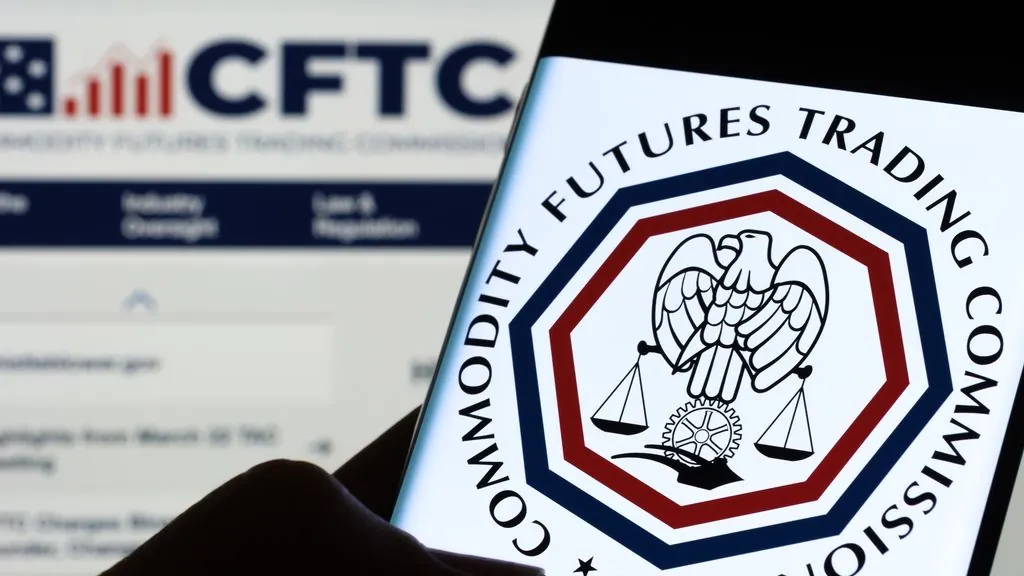
Hyperliquid Policy Center and Phantom submitted a joint comment letter to the CFTC urging it to develop regulatory rules tailored to on-chain trading infrastructure. The firms argue existing commodity futures regulations designed for traditional markets do not align with decentralized finance mechanics.
Written by CoinArticle’s AI Newsroom · from 1 cited source. How we work
The Push for On-Chain Tailored Rules
Hyperliquid Policy Center and Phantom filed a joint comment letter to the U.S. Commodity Futures Trading Commission calling for regulatory updates specific to decentralized trading. The firms contend that the current rulebook, built for centralized exchanges and traditional market structure, creates friction and misalignment when applied to on-chain derivatives and spot trading protocols.
Why Existing Rules Fall Short
The letter argues that core assumptions embedded in legacy CFTC frameworks—such as centralized order books, single counterparty clearing, and real-time position monitoring by a designated market authority—do not map to how decentralized protocols operate. On-chain trading relies on smart contracts, distributed order matching, and transparent settlement that function differently from conventional futures exchanges. The signatories suggest that purpose-built DeFi rules would reduce compliance uncertainty while preserving the regulatory intent behind commodity supervision.
Why It Matters
For Traders
Clarity on CFTC stance toward on-chain derivatives could reduce regulatory uncertainty around margin requirements and position limits on DeFi protocols.
For Investors
A regulatory framework tailored to DeFi could accelerate institutional capital into on-chain trading if compliance pathways become explicit rather than inferred.
For Builders
Protocol developers shipping derivatives or leverage products need to understand whether the CFTC will issue guidance recognizing architectural differences or apply existing rules as-is.
This article is for information only and is not financial advice. Read the full disclaimer.