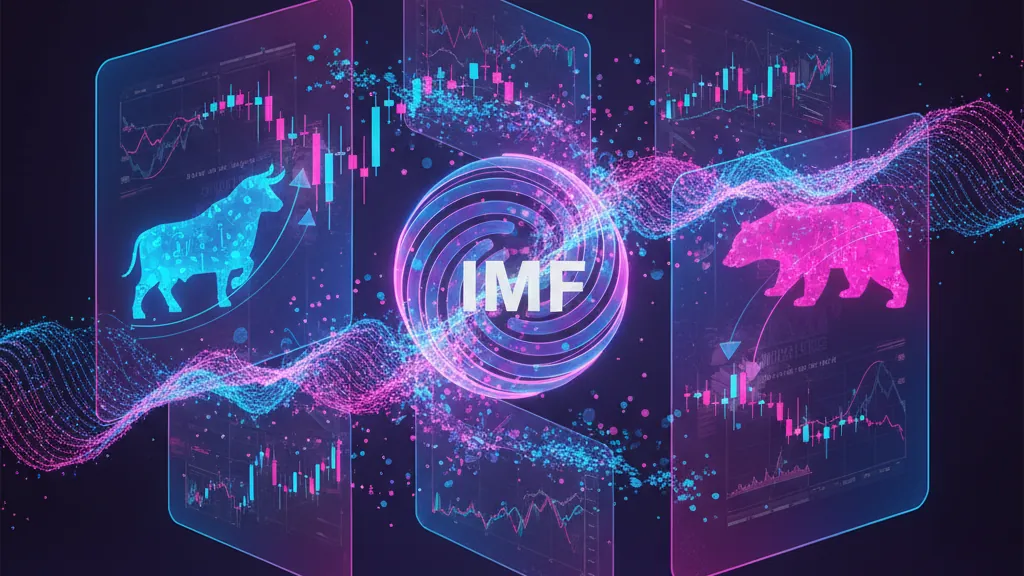
IMF Highlights Tokenization as a Structural Shift in Finance
The IMF urges stakeholders to recognize tokenization as a transformative structural shift in finance and not just a technological enhancement. This perspective underscores the wide-ranging implications of tokenization for the global financial landscape.
Written by CoinArticle’s AI Newsroom · from 1 cited source. How we work
IMF Says Tokenization Is a 'Structural Shift' in Finance, Not Just a Tech Upgrade
In a recent statement, the International Monetary Fund (IMF) has emphasized the transformative nature of tokenization, asserting that it should be viewed as a "structural shift" in the financial landscape rather than merely a technological enhancement. This perspective highlights the far-reaching implications tokenization could have on the global financial system.
What is Tokenization?
Tokenization refers to the process of converting rights to an asset into a digital token on a blockchain. By doing so, assets such as real estate, stocks, and even art can be efficiently traded, stored, and managed. This innovative approach can increase liquidity, enable fractional ownership, and facilitate immediate settlement processes. However, the IMF's announcement indicates that tokenization goes beyond just enhancing how assets are traded.
Key Concerns Raised by the IMF
The IMF identifies several pressing challenges and risks associated with the rapid advancement of tokenization. Notably, the organization points to the distribution and speed of on-chain transactions, which could potentially overwhelm existing regulatory frameworks and infrastructure. The speed at which transactions can occur raises questions about market stability and the management of financial risks.
Furthermore, these challenges necessitate international coordination among regulators, financial institutions, and policymakers to create a framework geared toward oversight without stifling innovation. The IMF suggests that the governance structures currently in place may not be adequate to address the complexities introduced by tokenized assets.
Why It Matters
For Traders
Traders need to be aware that tokenization can alter market dynamics significantly, leading to higher liquidity and new trading strategies.
For Investors
Investors could find attractive opportunities in previously illiquid investment options, but they must remain cautious of heightened risks in a rapidly evolving landscape.
For Builders
For technology builders, navigating this complex landscape will require compliance with international regulations while ensuring user-friendly and secure solutions.
In conclusion, the IMF's recognition of tokenization as a structural shift presents both significant opportunities and challenges for the financial sector. Stakeholders across the board must work collaboratively to navigate the complexities and harness the potential of this innovative technology.
This article is for information only and is not financial advice. Read the full disclaimer.