Institutional Tokenization: Wall Street's $35 Trillion Bet on Crypto
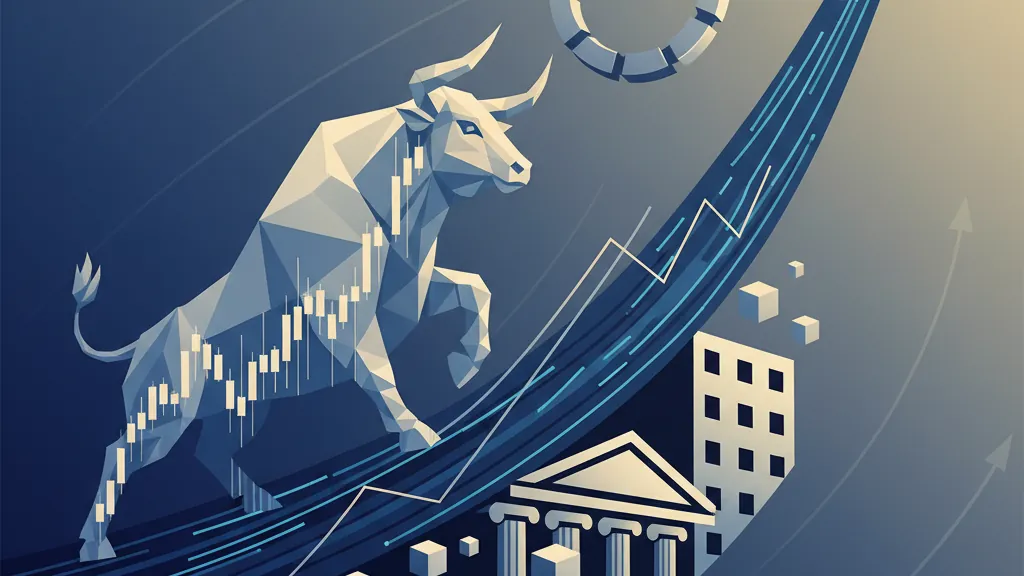
Wall Street is making a strategic push into the cryptocurrency sector, with institutional tokenization poised to reshape global finance. The tokenization market could reach $35 trillion by 2026, bridging traditional assets with blockchain technology.
Written by CoinArticle’s AI Newsroom · from 1 cited source. How we work
The Dawn of Institutional Tokenization
The financial landscape is on the brink of a significant metamorphosis as tokenized assets emerge as the next major battleground where traditional finance meets the cryptocurrency markets. Industry projections suggest that the tokenization market could soar to an unprecedented $35 trillion by 2026, marking a crucial turning point in the convergence of conventional and digital finance.
Wall Street's Strategic Push into Digital Assets
Major financial institutions are ramping up their efforts to carve out a significant presence in the cryptocurrency sector, with tokenization acting as their primary gateway. Unlike prior attempts to engage with digital assets, this new wave reflects a coordinated institutional strategy designed to seamlessly integrate traditional financial products onto blockchain infrastructure.
Tokenization—the process of converting real-world assets into digital tokens on a blockchain—offers several advantages, including fractional ownership, enhanced liquidity, and the ability to trade 24/7, which is particularly transformative for traditionally illiquid assets. This technology is being applied across various sectors, from real estate and commodities to stocks and bonds.
The $35 Trillion Opportunity
The forecasted growth to a $35 trillion market signifies more than just an escalation of current crypto markets. This figure embodies the digitization of substantial portions of traditional financial assets, signaling a fundamental overhaul in how value is stored, transferred, and traded on a global scale.
Financial institutions view tokenization not just as a technological upgrade, but as a bridge technology that merges the efficiency and transparency of blockchain with the regulatory frameworks and asset classes they have long understood. This strategic approach allows Wall Street firms to engage meaningfully in the digital asset revolution while adhering to established financial regulations.
Implications for the Financial Ecosystem
The journey towards 2026 holds profound implications for a range of stakeholders. For institutional investors, tokenization promises enhanced settlement times, reduced intermediary costs, and access to markets that were previously closed off. Concurrently, traditional financial infrastructures may find themselves under pressure to modernize or risk falling into obsolescence.
The regulatory landscape will significantly impact the pace and scope of this transformation. As tokenized assets begin to blur the boundaries between traditional securities and cryptocurrencies, regulators around the globe are actively working to create frameworks that not only protect investors but also nurture innovation.
Looking Ahead
The trajectory towards a $35 trillion tokenized asset market illustrates that institutional adoption of blockchain technology has transcended the realm of experimentation. As Wall Street pledges resources and infrastructure to this domain, the transformation of global financial markets appears not merely plausible but inevitable. In the upcoming years, we will witness whether these ambitious projections come to fruition and how effectively traditional finance can mesh with decentralized technologies.
Why It Matters
Traders
For traders, the evolution into a tokenized asset market offers new trading opportunities, greater liquidity, and faster transaction times, enabling them to capitalize on emerging trends and innovations in the space.
Investors
Long-term investors stand to benefit from the democratization of assets through tokenization, gaining access to previously inaccessible markets and reduced costs that enhance portfolio diversification.
Builders
Developers and builders can seize the moment by creating new blockchain solutions and applications focused on tokenization, positioning themselves at the forefront of an industry revolution as traditional finance embraces decentralized technology.
This article is for information only and is not financial advice. Read the full disclaimer.