Iran’s Blockade of Strait of Hormuz: Current Status and Economic Implications
Iran's blockade of the Strait of Hormuz escalates geopolitical tensions with the U.S., impacting global oil supply and prices. The absence of diplomatic talks raises concerns about future economic instability and volatility in the energy markets.
Written by CoinArticle’s AI Newsroom · from 1 cited source. How we work
Iran Blockade of Strait of Hormuz Continues Amid No US-Iran Talks Scheduled
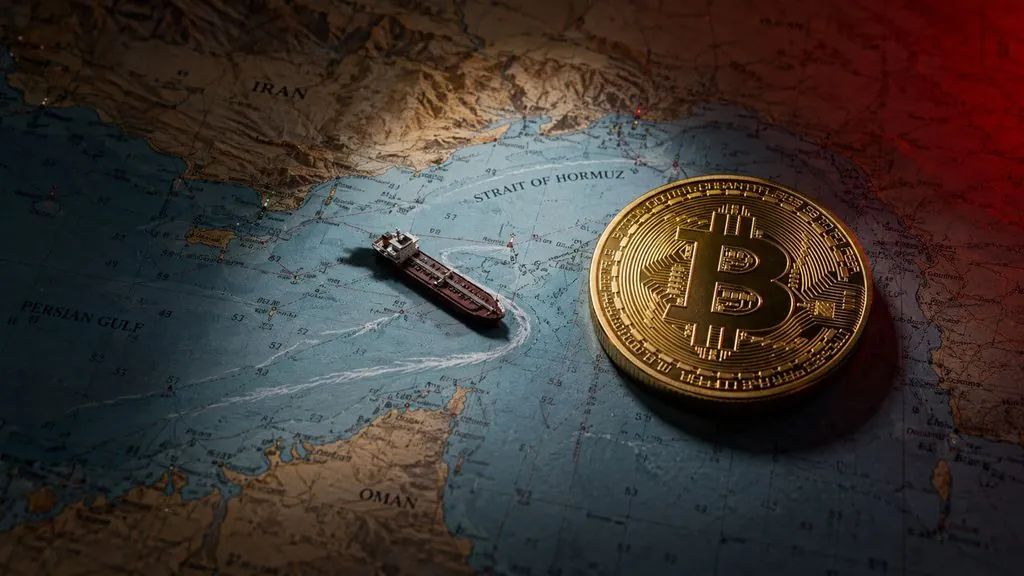
The ongoing blockade of the Strait of Hormuz by Iran has entered another critical phase, as no discussions between the United States and Iran are currently scheduled. The Strait of Hormuz, a vital maritime chokepoint for global oil shipments, remains under intense scrutiny as the blockade continues to exacerbate global oil supply issues and economic uncertainty.
Current Status of the Blockade
Iran's blockade of the Strait of Hormuz, a crucial passage for approximately one-fifth of the world's oil supply, represents a significant escalation in the country's long-standing tensions with the United States and its allies. The absence of scheduled talks raises urgent concerns about the potential for escalation and a prolonged standoff. Observers highlight that the blockade has not only disrupted vital oil supply routes but also complicated diplomatic efforts aimed at easing tensions in the region.
Impact on Oil Supply and Prices
The situation at the Strait of Hormuz heightens fears among traders and investors in the oil markets. Disruptions in oil flow from the Gulf region can cause spikes in crude oil prices, further complicating an already volatile market landscape. As the blockade applies additional strain on supply chains, traders are critically assessing the implications of potential long-term disruptions and inflationary pressures on oil prices.
Economic Uncertainty
The ongoing blockade amplifies economic uncertainties for countries heavily reliant on oil imports. Predictions of rising fuel prices could impose inflationary pressures, weighing heavily on economies worldwide. This uncertainty extends beyond the oil market, potentially impacting multiple sectors and contributing to a broader sense of economic instability.
Diminishing Diplomatic Resolution
The lack of scheduled discussions between the U.S. and Iran casts doubt on the future of diplomatic relations and the prospects for resolving the blockade. Analysts express concern that without intervention or negotiations, the situation may escalate, solidifying the divide between the two nations. The longer the blockade persists, the more challenging it may become to return to a stable diplomatic framework, reducing the likelihood of a peaceful resolution.
Why It Matters
For Traders
Traders must remain vigilant, as oil prices could undergo significant fluctuations due to the blockade. Monitoring geopolitical developments will be essential, as these shifts may present both trading opportunities and risks.
For Investors
Investors should evaluate the impact of heightened economic uncertainty on their portfolios. Industries reliant on the energy sector may experience volatility, necessitating potential asset reallocation to better position against future market movements.
For Builders
For builders and businesses heavily dependent on stable oil prices and supply chains, the ongoing blockade presents significant challenges. Planning for contingencies and diversifying energy sources may become essential to mitigate risks associated with global supply chain disruptions.
As the situation evolves, stakeholders across the board must remain informed and adaptable to navigate the complex landscape shaped by the blockade and its broader geopolitical implications.
This article is for information only and is not financial advice. Read the full disclaimer.