Iran's 65-Day Internet Blackout Raises Questions on Crypto Access
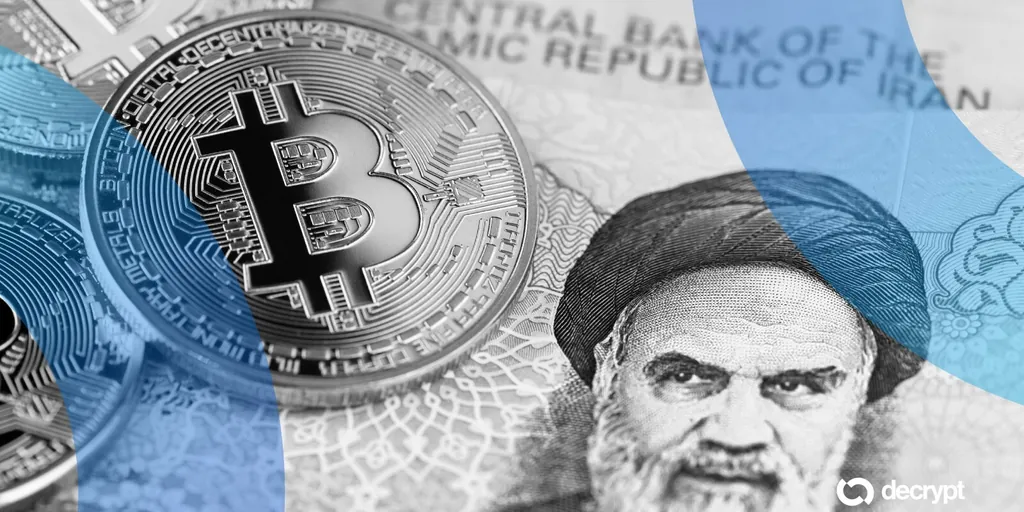
Iran has maintained a near-total internet blackout for 65 days amid US and Israeli military tensions, severely restricting access to cryptocurrency exchanges and on-chain activity. The extended outage complicates economic activity for Iranian traders and highlights the vulnerability of internet-dependent financial systems.
Written by CoinArticle’s AI Newsroom · from 1 cited source. How we work
Scope and Duration of the Blackout
Iran's internet blackout has persisted for 65 days, according to reports tracking connectivity disruptions in the country. The extended outage follows escalating military tensions between Iran, the US, and Israel, and represents one of the longest sustained internet cuts imposed by the Iranian regime in recent years. Internet monitoring services report near-total restriction of external connectivity, though some limited access has been intermittently restored in certain regions.
Impact on Cryptocurrency and Financial Activity
The prolonged blackout has effectively cut Iranian users off from most centralized cryptocurrency exchanges and on-chain services that rely on consistent internet access. Peer-to-peer trading and decentralized protocols may remain partially accessible to users with alternative connectivity methods, but the practical ability to move funds or monitor market prices has been severely constrained. The outage compounds existing capital controls and banking restrictions that drive demand for cryptocurrency within Iran.
Broader Context
Internet shutdowns are a recurring tool of regime control in Iran, typically deployed during periods of political unrest or geopolitical crisis. The current 65-day duration suggests a strategy aimed at information suppression during a period of heightened US-Israeli military activity. Crypto market observers note that extended blackouts in major emerging markets can reduce trading volume and create pricing divergences between international and localized peer-to-peer markets.
Why It Matters
For Traders
P2P-traded crypto pairs in Iran may show significant premiums to international prices; direct trading exposure to Iranian counterparties carries heightened counterparty risk.
For Investors
Protracted internet blackouts in emerging markets signal regime instability and reduce addressable user bases for global crypto adoption; Iran remains a meaningful P2P trading venue.
For Builders
Decentralized and mesh-based protocols gain relevance in regions facing sustained government internet controls; builders should evaluate offline-first and low-bandwidth architectures.
This article is for information only and is not financial advice. Read the full disclaimer.