Iran Nuclear Standoff Has Limited Direct Impact on Crypto Markets
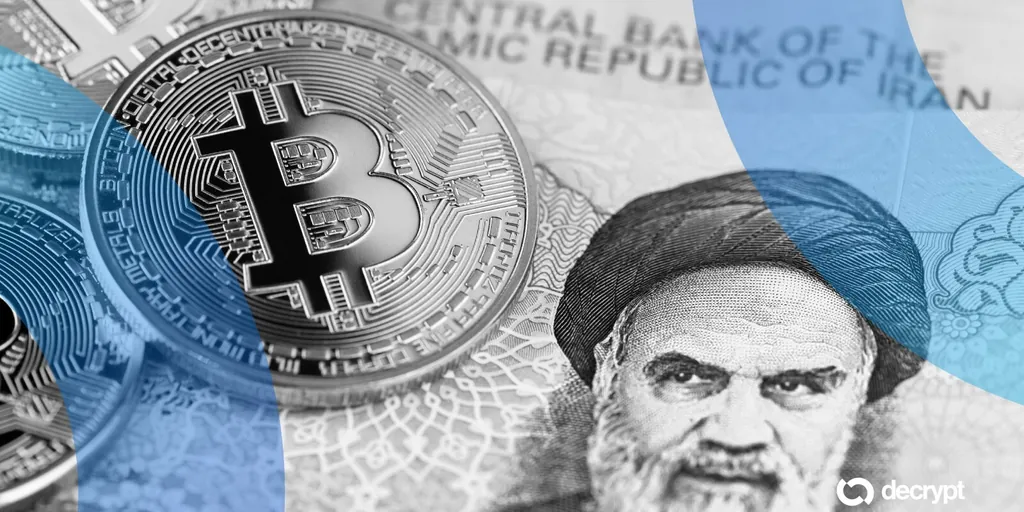
Iran blocked International Atomic Energy Agency inspections of damaged nuclear sites, escalating a years-long standoff over its nuclear program. Geopolitical tensions of this scale typically increase macroeconomic uncertainty and safe-haven demand, which historically correlates with cryptocurrency volatility.
Written by CoinArticle’s AI Newsroom · from 1 cited source. How we work
The Nuclear Dispute
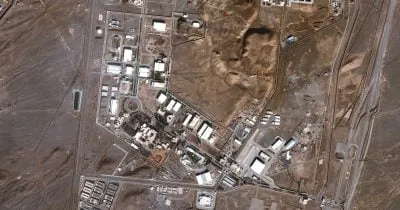
Iran restricted IAEA access to nuclear sites damaged in recent months, according to reports citing the standoff as part of a broader impasse over nuclear deal compliance. The move reflects deepening tensions between Tehran and Western powers over Iran's uranium enrichment program and inspection protocols.
Macro Implications for Risk Assets
Escalating geopolitical risk in the Middle East typically increases volatility across risk assets, including cryptocurrencies. During previous periods of elevated regional tension, Bitcoin and Ethereum have experienced both inflows as safe-haven alternatives and outflows as investors de-risk portfolios. The net effect depends on whether markets perceive the standoff as a contained diplomatic dispute or a precursor to broader conflict.
Limited Sector-Specific Catalyst
Unlike sanctions targeting crypto infrastructure or regulatory announcements, nuclear diplomacy does not directly constrain blockchain networks or trading venues. However, oil price movements stemming from regional instability can influence broader market sentiment and central bank policy expectations, which indirectly shape crypto demand.
Why It Matters
For Traders
Heightened geopolitical risk may increase intraday volatility and shift safe-haven flows; monitor oil futures and equity index futures for directional cues.
For Investors
Regional instability typically widens macro uncertainty, which can drive longer-term interest in non-correlated assets, though the effect is diffuse and slow-moving.
For Builders
No direct protocol or infrastructure impact; geopolitical events do not alter smart contract execution or Layer 1 security models.
This article is for information only and is not financial advice. Read the full disclaimer.