How Iran's Oil Responses are Impacting Bitcoin and Inflation Predictions
Bitcoin traders are closely monitoring Iran's geopolitical reactions as rising oil prices threaten inflation forecasts in the U.S. Current predictions suggest inflation could reach as high as 5%, impacting markets including cryptocurrency.
Written by CoinArticle’s AI Newsroom · from 1 cited source. How we work
Bitcoin Traders Eye Iran Reactions as Oil Sparks US 5% Inflation Forecast
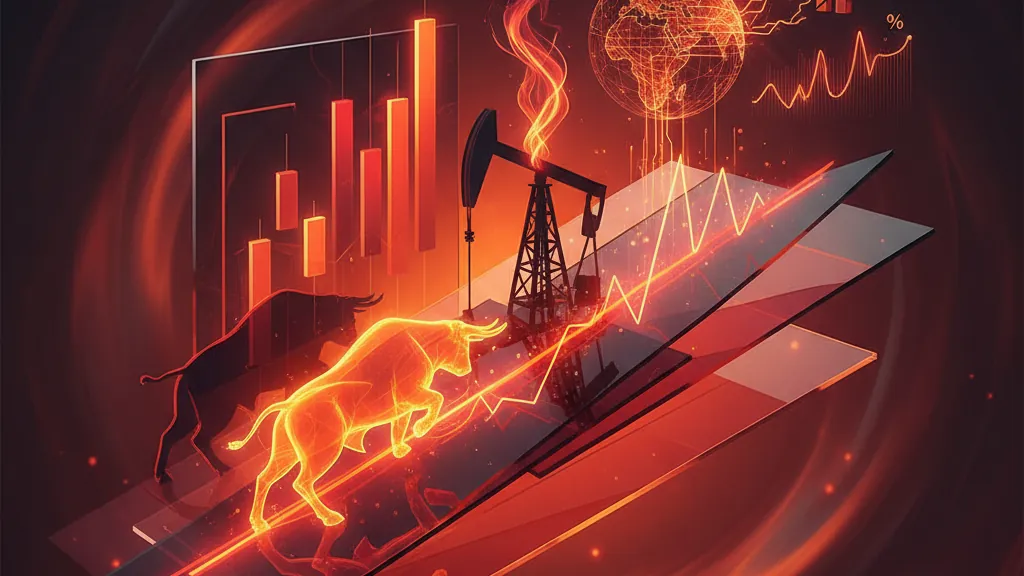
Bitcoin traders are keeping a close watch on Iran’s responses to ongoing geopolitical tensions in the Middle East, particularly as rising oil prices threaten to trigger a significant shift in U.S. inflation forecasts. Recent analysts have projected that these oil price movements may contribute to an increase in U.S. inflation rates, estimating it could reach as high as 5%. In this environment of uncertainty, Bitcoin (BTC) appears to have retained its stability despite the surrounding geopolitical events.
The Oil Factor
The fluctuations in oil prices are intricately tied to the ongoing geopolitical dynamics involving Iran, a key oil producer in the Middle East. As tensions escalate, the fear of supply disruptions can lead to increased oil prices, which only amplifies inflation concerns for the U.S. economy. Given that oil is a critical component of global economic stability, movements in its price can significantly influence the broader markets, including cryptocurrency.
Bitcoin’s Resilience
Despite the tumultuous geopolitical backdrop, Bitcoin has shown remarkable resilience. In the past, major events in the Middle East have often led to either significant spikes or declines in the price of BTC; however, this time the flagship cryptocurrency has managed to sidestep a fresh breakdown. Traders have observed that Bitcoin’s responses to these external pressures often reflect its status as a digital asset—perhaps serving as a hedge against traditional market volatility.
Current Price Targets
As traders navigate through these uncertain waters, Bitcoin's price targets have shifted, with analysts eyeing the $74,000 mark. This new target suggests that enthusiastic traders and investors believe Bitcoin could soon find itself in an upward trend, potentially benefiting from the inflationary pressures that typically drive interest toward decentralized assets like BTC.
Why It Matters
For Traders
Understanding the geopolitical landscape is essential for traders. Iran's reactions to tensions in the region can affect oil prices, and consequently, this can impact Bitcoin's performance as traders adjust their strategies in alignment with market sentiment.
For Investors
Investors generally regard Bitcoin as a hedge against inflation. With predictions of U.S. inflation reaching 5%, the stability of BTC could provide a valuable alternative for those looking to safeguard their portfolios against traditional currency depreciation.
For Builders
For developers and builders in the crypto space, the implications of these geopolitical events highlight the importance of creating applications that can adapt to changing economic scenarios. As demand for decentralized finance solutions grows, understanding how macroeconomic factors influence user behavior will be critical for driving innovation and adoption in the broader cryptocurrency market.
In summary, as Bitcoin traders remain vigilant regarding Iranian responses and rising oil prices, the market seems to demonstrate that under pressure, cryptocurrencies can still thrive. The evolving landscape poses opportunities and challenges that market participants must navigate carefully.
This article is for information only and is not financial advice. Read the full disclaimer.