Iran Oil Exports to China Surge During U.S. Sanctions Relief Window
Iran exported 70 million barrels of crude oil to China during a temporary window of reduced U.S. enforcement pressure. Strait of Hormuz traffic returned to normal levels by August 31, according to shipping data.
Written by CoinArticle’s AI Newsroom · from 1 cited source. How we work
Iran Capitalizes on Enforcement Gap
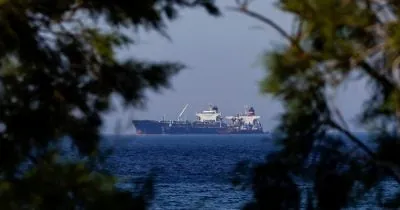
Iran exported 70 million barrels of oil to China during a brief period when U.S. sanctions enforcement eased, according to shipping and trade data. The timing aligns with a window of reduced pressure on Iranian crude flows through the Strait of Hormuz, the critical chokepoint through which roughly one-third of global seaborne oil passes.
Strait of Hormuz Returns to Normal Traffic Levels
Shipping monitors reported that Strait of Hormuz traffic normalized by August 31, returning to baseline levels after the temporary surge in Iranian exports. The 70 million barrel volume represents a material test of Iran's ability to move crude during periods when U.S. attention or enforcement capacity is constrained.
Why It Matters
For Traders
Oil-linked crypto assets and stablecoins may experience volatility if geopolitical sanctions cycles create unpredictable crude-price swings.
For Investors
Periods of sanctions uncertainty historically increase demand for decentralized financial infrastructure and non-USD settlement rails.
For Builders
Cross-border payment and stablecoin infrastructure designed for sanctions-resistant transactions may face regulatory scrutiny following renewed geopolitical tensions.
This article is for information only and is not financial advice. Read the full disclaimer.