Iran's Oil Supply Fears: Impact on Crypto Markets May Be Overrated
As tensions rise in the Middle East, the crypto community is concerned about potential disruptions to oil supplies from Iran. However, recent expert opinions suggest that these fears may be exaggerated, offering a more stable outlook for traders and investors alike.
Written by CoinArticle’s AI Newsroom · from 1 cited source. How we work
Crypto Community Fear of Iran Choking Oil Supply and Crashing Markets May Be Overblown
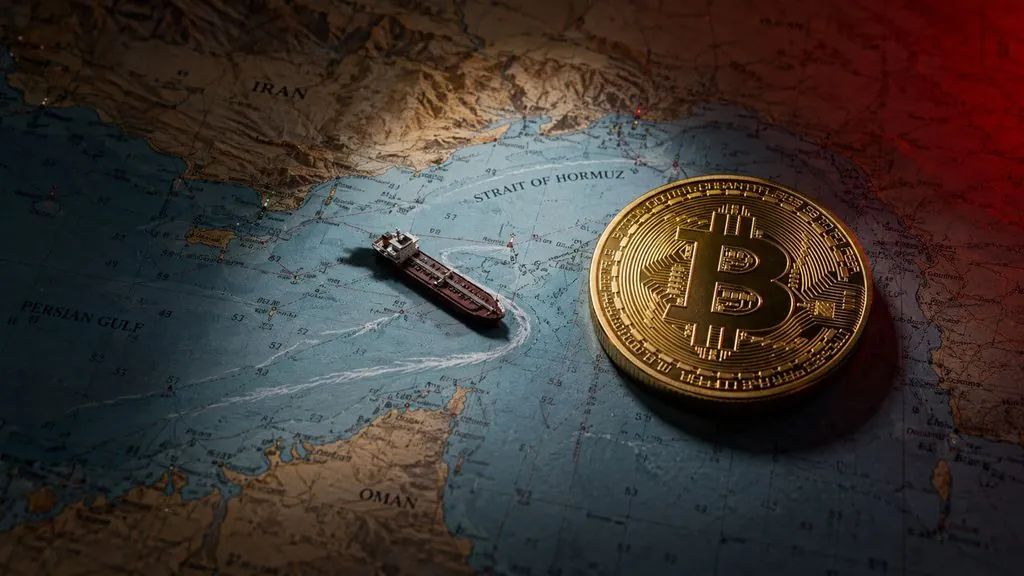
As tensions escalate in the Middle East, particularly regarding Iran's posture towards oil supplies, the crypto community has expressed its apprehensions across various forums. The central fear is the possibility of Iran disrupting oil exports through the Strait of Hormuz, a crucial chokepoint through which approximately 20% of the world's petroleum passes. However, recent expert insights suggest that the fears of significant market disruptions may be exaggerated.
Understanding the Concerns
The crypto market, often viewed as a reactive entity to geopolitical events, has witnessed growing discussions surrounding the implications of a potential blockade of the Strait of Hormuz. Historically, oil prices have surged amid geopolitical uncertainty, prompting many in the crypto community to worry that a severe disruption in oil supply could lead to broader market instability, impacting cryptocurrencies and their investments.
Experts argue that a full-scale closure of the strait is not only unlikely but also impractical. The implications of blocking oil shipments would adversely affect global markets and Iran's economy, which is heavily reliant on oil exports. Consequently, analysts suggest that Tehran's strategic interests may prevent it from taking extreme measures.
Experts Weigh In
Economists and geopolitical analysts assert that while tensions could lead to localized disruptions or increased volatility, the global oil market is resilient. Past strategic responses, such as increased production from other countries and the use of strategic petroleum reserves, have successfully mitigated potential supply gaps. Additionally, alternative delivery methods, including pipelines and maritime routes bypassing the strait, further decrease the likelihood of a full closure.
Why It Matters
For Traders
Market sentiment significantly influences trading behavior in the volatile crypto space. Understanding that the imminent threat of oil shortages may be overstated could lead traders to adopt a more measured approach, reducing impulsive reactions to headlines and fostering better risk management.
For Investors
Investors can take comfort in the expert analyses emphasizing the resilience of the oil market and potential countermeasures to mitigate temporary disruptions. A more stable outlook allows investors to maintain focus on long-term strategies instead of succumbing to short-term panic.
For Builders
Developers and innovators in the crypto space might find this information valuable as they continue creating products and technologies reliant on market stability and liquidity. Being aware of external factors and their real versus perceived impacts can better inform project timelines, partnerships, and risk assessments.
In conclusion, although geopolitical tensions are a natural source of concern for global markets, the likelihood of Iran significantly impacting oil supplies and, consequently, cryptocurrency markets appears overstated. By maintaining a level-headed approach, the crypto community can navigate these discussions more effectively.
This article is for information only and is not financial advice. Read the full disclaimer.