Iran's Political Tensions May Create Volatility for Crypto Markets
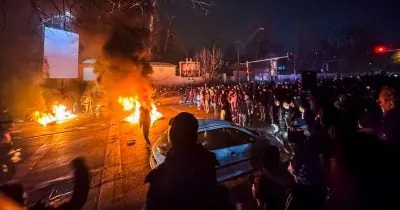
Iranian security forces deployed tear gas at a Tehran protest over losses linked to a truck purchase scheme, signaling rising domestic instability. The incident may increase uncertainty around geopolitical risk premiums and capital controls that indirectly affect cryptocurrency adoption in the region.
Written by CoinArticle’s AI Newsroom · from 1 cited source. How we work
The Protest and Response
Iranian security agents used tear gas to disperse protesters in Tehran who gathered to demonstrate against financial losses tied to a truck purchase program. The crackdown underscores mounting frustration over economic mismanagement and alleged corruption within state-linked enterprises.
Geopolitical Risk and Crypto Markets
Increased domestic unrest in Iran can amplify broader geopolitical risk sentiment, which historically affects capital flows into and out of emerging markets. Cryptocurrency markets, which serve as a hedge against capital controls and currency instability in countries with restricted financial systems, may see heightened adoption or volatility as political uncertainty deepens. Iran has a documented history of citizens turning to Bitcoin and stablecoins to circumvent sanctions and protect savings during periods of civil unrest.
Broader Implications
While the immediate trigger is domestic policy, sustained political instability can alter how international markets price emerging-market assets and geopolitical risk. For jurisdictions with significant crypto adoption as a response to capital restrictions, such periods often correlate with spikes in on-chain transaction volumes and peer-to-peer trading activity.
Why It Matters
For Traders
Geopolitical risk premiums may widen in crypto spot and futures markets; watch BTC and stablecoins for increased volatility if unrest deepens.
For Investors
Political instability in capital-controlled regions historically correlates with crypto adoption surges; Iran's situation is a data point for that thesis.
For Builders
Infrastructure serving remittances and peer-to-peer settlement in sanctioned or unstable jurisdictions may see increased demand and pressure testing.
This article is for information only and is not financial advice. Read the full disclaimer.