Iran Resumes Oil Exports as US Navy Blockade Lifts, Raising Sanctions Evasion Concerns
Iran has resumed crude oil loadings from Kharg Island following the lifting of a US Navy blockade on the facility. The resumption may destabilize global oil prices and could increase regulatory focus on cryptocurrency's role in circumventing international sanctions.
Written by CoinArticle’s AI Newsroom · from 1 cited source. How we work
Oil Exports Resume
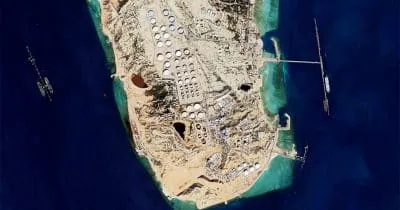
Iran has restarted crude oil loadings from Kharg Island after a US Navy blockade on the facility was lifted. The island, one of the world's largest crude export terminals, had been effectively blocked from shipping operations. The resumption marks a significant shift in the geopolitical pressure on Iranian energy exports and may increase the volume of oil entering global markets.
Market and Regulatory Implications
The return of Iranian crude to export markets is likely to add downward pressure on global oil prices at a time when price stability remains a concern for energy-dependent economies. Regulators are also expected to intensify scrutiny on how sanctions are being circumvented, including through financial flows that may involve cryptocurrency-based payment channels.
Crypto's Role in Focus
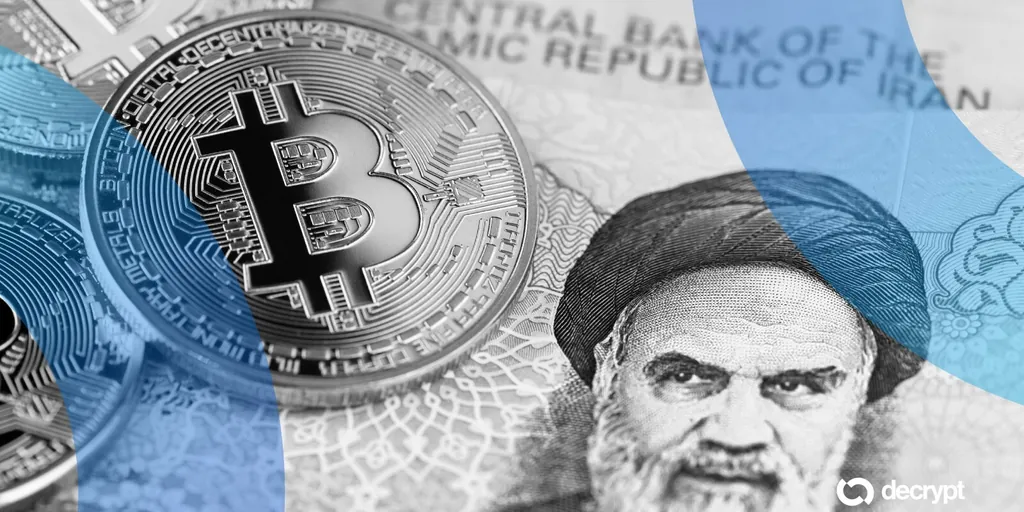
As international sanctions on Iran continue to evolve, policymakers are likely to examine how digital assets and blockchain networks facilitate cross-border transactions that bypass traditional banking channels. The issue intersects enforcement priorities for regulators including the Treasury Department's Office of Foreign Assets Control (OFAC) and financial crime divisions at central banks globally.
Why It Matters
For Traders
Oil price volatility from renewed Iranian supply may correlate with risk-off sentiment in crypto markets over the next 48-72 hours as geopolitical tension eases.
For Investors
Increased regulatory scrutiny on sanctions evasion through crypto could lead to stricter compliance frameworks and delisting pressure on privacy coins or cross-chain bridges used for jurisdictional arbitrage.
For Builders
Infrastructure teams managing cross-border stablecoin or payment flows should audit OFAC compliance tools and prepare for potential enforcement action categories around sanctioned jurisdictions.
This article is for information only and is not financial advice. Read the full disclaimer.