Iran Links Strait of Hormuz Access to $12B Assets, Oil Waivers
Iran has conditioned reopening the Strait of Hormuz on unfreezing $12 billion in assets, obtaining oil export waivers, and Israeli withdrawal from the region. The demands could disrupt global energy markets and increase geopolitical risk for crypto and commodity traders.
Written by CoinArticle’s AI Newsroom · from 1 cited source. How we work
Iran's Stated Conditions
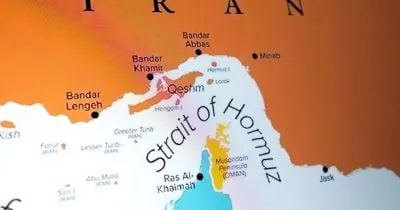
Iran has tied access to the Strait of Hormuz—one of the world's most critical oil chokepoints—to three demands: the release of $12 billion in frozen Iranian assets, international waivers on its oil exports, and an Israeli departure from the region. The Strait handles roughly 21% of global petroleum trade, making any closure or disruption a material event for energy prices and broader macro volatility.
Market and Geopolitical Implications
If Iran follows through on restricting passage, crude oil prices would likely spike sharply, raising input costs across economies and increasing inflation expectations. Such a move would ripple into crypto markets, where macro risk assets often trade inversely to inflation uncertainty. The frozen assets and sanctions context also ties into broader questions about cross-border finance and the role of alternative payment rails in a fragmented geopolitical environment.
What Comes Next
Diplomacy and sanctions negotiations typically move slowly. No immediate closure of the Strait has been announced, and statements of preconditions often serve as negotiating anchors rather than firm actions. Traders and investors should monitor for any actual disruption to shipping or a material shift in diplomatic talks, either of which could drive significant volatility.
Why It Matters
For Traders
A Strait closure would drive crude oil sharply higher, likely triggering risk-off moves in crypto and equities within hours of confirmation.
For Investors
Geopolitical disruption to energy markets increases macro tail risk; hedging demand for alternative assets and non-correlated stores of value may rise if tensions escalate.
For Builders
Cross-border payment and settlement infrastructure becomes more relevant in fragmented geopolitical scenarios; builders should consider use cases for sanctions-resistant finance.
This article is for information only and is not financial advice. Read the full disclaimer.