Iran Strait of Hormuz Closure Raises Energy Volatility, Oil Markets React
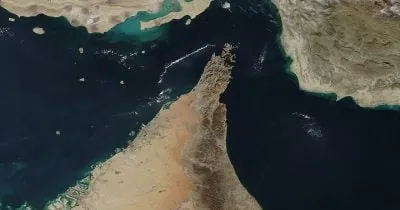
Iran has closed the Strait of Hormuz, a critical chokepoint for global oil and liquefied natural gas shipments. The move escalates geopolitical tensions and is expected to increase energy price volatility with potential downstream effects on crypto-correlated macro assets.
Written by CoinArticle’s AI Newsroom · from 1 cited source. How we work
The Closure and Immediate Impact
Iran closed the Strait of Hormuz, one of the world's most strategically important shipping lanes. Roughly one-fifth of global oil production and a substantial portion of LNG trade pass through the waterway daily. The closure raises near-term supply concerns and has triggered volatility in crude oil and natural gas markets.
Macro Spillovers Into Crypto Markets
Energy market shocks historically correlate with broader macroeconomic volatility, which can influence risk appetite across asset classes including cryptocurrencies. Elevated oil prices increase inflation expectations and may shift central bank policy trajectories, factors that typically weigh on risk assets. Traders monitoring macro conditions often view energy disruptions as early signals of broader market repricing.
Geopolitical Risk Premium
The closure underscores persistent Middle East tensions and their capacity to disrupt global supply chains on short notice. If sustained, the blockade could force buyers to seek alternative crude sources or accept higher transportation costs, both of which feed into broader inflation dynamics.
Why It Matters
For Traders
Crude oil volatility and elevated energy prices historically precede crypto selloffs as risk appetite contracts; monitor energy futures for directional cues.
For Investors
Geopolitical supply shocks that persist weeks or months can shift macro regime expectations, affecting long-duration assets including cryptocurrencies.
For Builders
Protocol teams managing treasury reserves or staking pool collateral should reassess correlation assumptions if macro volatility regime widens.
This article is for information only and is not financial advice. Read the full disclaimer.