Iran Plans $40B Annual Toll Revenue From Strait of Hormuz, Accepts Bitcoin and USDT
Iran announced plans to generate $40 billion annually through a toll system for ships transiting the Strait of Hormuz, with the system accepting Bitcoin and USDT as payment methods. The move challenges existing international maritime conventions and may signal a shift in how state actors monetize strategic chokepoints.
Written by CoinArticle’s AI Newsroom · from 1 cited source. How we work
Iran's New Revenue Model
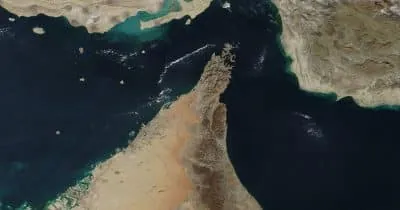
Iran said it will establish a toll collection system for vessels passing through the Strait of Hormuz, one of the world's most critical shipping routes, with an stated target of $40 billion in annual revenue. The system will accept Bitcoin and USDT alongside traditional payment methods, according to reports. The Strait, through which roughly one-third of seaborne oil and liquefied natural gas passes, has long been a geopolitical flashpoint; Iran controls the southern shore and has periodically threatened to restrict traffic in response to international sanctions and regional tensions.
International Legal Questions
The toll structure conflicts with the 1982 United Nations Convention on the Law of the Sea, which grants vessels of all nations the right of transit passage through straits used for international navigation without tolls or interference. Iran is not a signatory to the convention, but most maritime nations recognize its principles as customary international law. The use of cryptocurrency in the system may allow Iran to circumvent some international payment restrictions tied to existing sanctions regimes.
Broader Implications
If implemented as described, Iran's system would set a precedent for state actors using crypto-denominated payment channels to monetize geopolitical leverage and evade traditional financial controls. The inclusion of Bitcoin and USDT suggests Iran views cryptocurrency as a mechanism to reduce friction with international payments while maintaining some insulation from U.S. dollar-based settlement systems.
Why It Matters
For Traders
Stablecoin volumes may see localized spikes if Iran implements the system, but geopolitical uncertainty and potential sanctions complications create execution risk.
For Investors
State-level adoption of crypto for revenue collection outside traditional banking normalizes crypto's use in circumventing sanctions and capital controls.
For Builders
Stablecoin issuers face increased scrutiny from regulators concerned about facilitating transactions involving sanctioned entities or violating international law.
This article is for information only and is not financial advice. Read the full disclaimer.