Iran Says Strait of Hormuz Won't Reopen via US Diplomacy
An Iranian state publication stated Tuesday that the Strait of Hormuz will not reopen through US diplomatic channels, signaling hardened positions on regional negotiations. The stance risks escalating geopolitical tensions affecting global oil markets and crypto volatility.
Key Takeaways
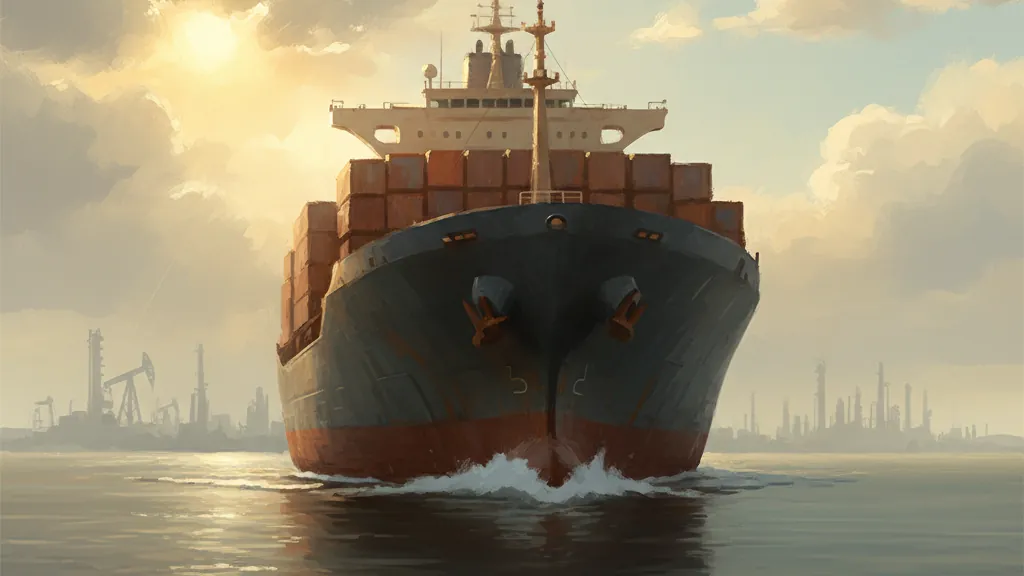
- 1## Diplomatic Deadlock An Iranian state-aligned newspaper asserted that the Strait of Hormuz—a critical chokepoint for roughly 20% of global oil transit—will not be reopened through direct US diplomatic engagement.
- 2The statement reflects Iran's rejection of ongoing or proposed negotiations with Washington, indicating a hardened negotiating position on the waterway's status and broader regional disputes.
- 3## Oil Market and Broader Implications The Strait of Hormuz's closure or restricted access has historically triggered sharp spikes in oil prices, which in turn correlate with volatility in risk assets including cryptocurrencies.
- 4Any sustained blockade or dispute over the waterway could tighten energy supplies, raise inflation expectations, and shift capital allocation away from growth-oriented assets toward safe havens.
- 5## Geopolitical Context Iran has previously used Strait blockade threats or disruptions as leverage in negotiations with Western powers.
Diplomatic Deadlock
An Iranian state-aligned newspaper asserted that the Strait of Hormuz—a critical chokepoint for roughly 20% of global oil transit—will not be reopened through direct US diplomatic engagement. The statement reflects Iran's rejection of ongoing or proposed negotiations with Washington, indicating a hardened negotiating position on the waterway's status and broader regional disputes.
Oil Market and Broader Implications
The Strait of Hormuz's closure or restricted access has historically triggered sharp spikes in oil prices, which in turn correlate with volatility in risk assets including cryptocurrencies. Any sustained blockade or dispute over the waterway could tighten energy supplies, raise inflation expectations, and shift capital allocation away from growth-oriented assets toward safe havens.
Geopolitical Context
Iran has previously used Strait blockade threats or disruptions as leverage in negotiations with Western powers. The current statement suggests Tehran may be signaling no appetite for near-term dialogue, potentially locking in elevated geopolitical risk premiums across commodity and financial markets for months ahead.
Why It Matters
For Traders
Oil price volatility from geopolitical risk typically correlates with crypto drawdowns; monitor WTI crude and BTC correlation over next 72 hours.
For Investors
Sustained Strait tensions support higher long-term energy costs, which compress risk appetite and favor uncorrelated or deflationary assets.
For Builders
Macro uncertainty increases demand for stablecoins and on-chain hedging tools; volatility spikes often correlate with DEX volume surges.