Iraq and Syria to Restore Kirkuk-Baniyas Pipeline, Reducing Hormuz Strait Reliance
Iraq and Syria have agreed to restore the Kirkuk-Baniyas pipeline, a crude oil transport route that bypasses the Hormuz Strait. The restoration could reshape regional energy flows and influence crude prices, which some forecasts expect to reach $110 per barrel by July 2026.
Written by CoinArticle’s AI Newsroom · from 1 cited source. How we work
Pipeline Restoration Agreement
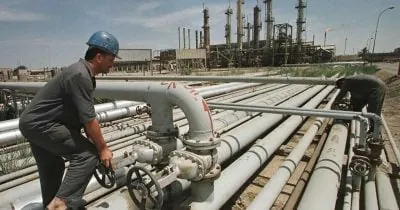
Iraq and Syria announced an agreement to restore the Kirkuk-Baniyas pipeline, according to reporting from Crypto Briefing. The pipeline carries crude oil from Iraq's Kirkuk region to the Syrian port of Baniyas on the Mediterranean coast, creating an alternative export route that bypasses the Hormuz Strait, through which roughly one-third of seaborne traded oil currently passes.
Energy Market Implications
The restoration reduces geopolitical risk concentration on the Hormuz Strait, a chokepoint that has drawn heightened attention during recent Middle Eastern tensions. Forecasters cited in the source material assign a 4.9% probability to WTI crude reaching $110 per barrel by July 2026, though this projection remains speculative and depends on multiple variables including OPEC policy, global demand, and regional stability.
Relevance to Crypto Markets
Oil price movements correlate with macro risk sentiment and U.S. dollar strength, both of which influence cryptocurrency valuations. Energy infrastructure decisions in the Middle East have historically driven volatility in risk assets, including crypto markets, during periods of elevated geopolitical uncertainty.
Why It Matters
For Traders
Oil price stability or upside could reduce macro volatility and risk-off sentiment, potentially supporting risk-asset rallies over the next 24-72 hours.
For Investors
Energy geopolitics reshaping supply routes affects dollar strength and inflation expectations, which influence long-term crypto-macro correlations.
For Builders
Reduced Hormuz choke-point risk lowers tail-risk premium in energy markets, potentially stabilizing input costs for blockchain infrastructure in energy-heavy regions.
This article is for information only and is not financial advice. Read the full disclaimer.