Middle East Ceasefire Accord Signals Crypto Adoption in Crisis Zones
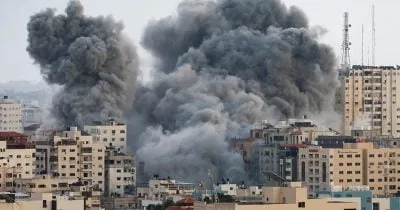
Israel and Lebanon reached a ceasefire agreement Tuesday, though Hezbollah dismissed the accord as a 'farce,' underscoring regional fragility. Persistent instability is accelerating cryptocurrency adoption in conflict-affected areas as residents seek alternatives to traditional financial systems.
Written by CoinArticle’s AI Newsroom · from 1 cited source. How we work
Ceasefire Agreement and Immediate Skepticism
Israel and Lebanon agreed to a ceasefire deal Tuesday, yet Hezbollah's rejection as a 'farce' immediately cast doubt on the accord's durability. The fragility of the agreement reflects deeper tensions that remain unresolved between the parties, with no clear enforcement mechanism or verification process outlined in public statements.
Regional Instability and Market Implications
Persistent uncertainty in the Middle East has historically influenced global equities, commodities, and currency markets. The ceasefire's weakness may prolong this volatility, creating conditions where institutional investors hedge through alternative assets and residents in affected regions seek financial tools less dependent on state-controlled infrastructure.
Crypto Adoption in Conflict Zones
Crisis environments have consistently accelerated cryptocurrency adoption, particularly in regions with capital controls, currency depreciation, or reduced access to banking. Lebanon's experience during its 2019 financial collapse demonstrated this pattern; Bitcoin and stablecoins saw elevated trading volume as the Lebanese pound lost value and bank withdrawals faced restrictions. Similar dynamics are now observable across conflict-affected areas of the Middle East.
Why It Matters
For Traders
Renewed Middle East tension typically correlates with safe-haven demand for risk-off assets; Bitcoin and stablecoins may see elevated volume if ceasefire falters.
For Investors
Prolonged regional instability can drive adoption curves in emerging markets, shifting capital flows to jurisdictions with stricter crypto frameworks versus those embracing digital assets.
For Builders
Demand for censorship-resistant payments infrastructure rises in conflict zones; infrastructure providers should stress-test connectivity and custody solutions for high-volatility regions.
This article is for information only and is not financial advice. Read the full disclaimer.