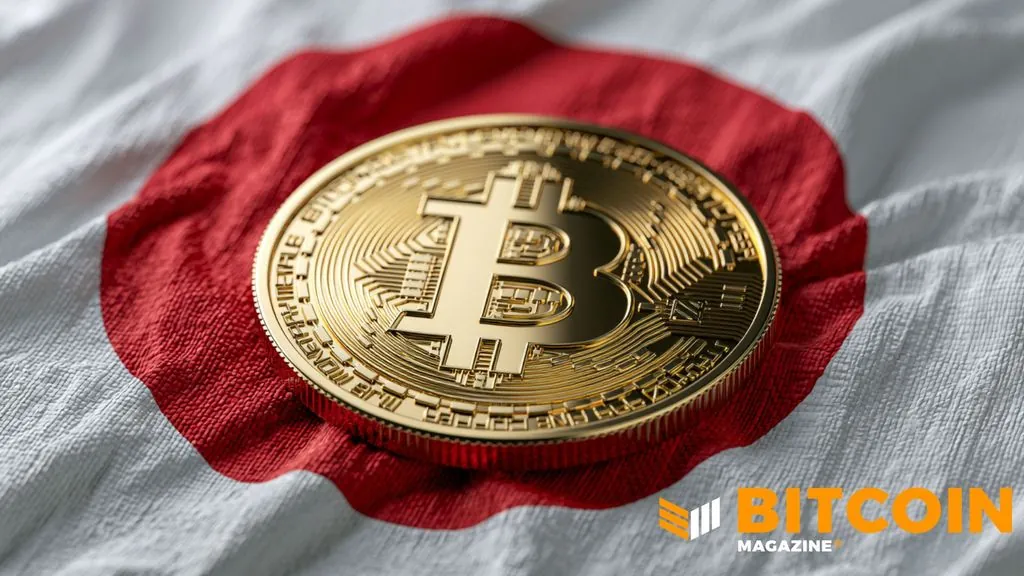
Japan's 'Digital Year One': 2026 Marks Major Crypto, Stocks Integration Push
Japan's Finance Minister has declared 2026 'Digital Year One,' signaling a major push to integrate cryptocurrencies and digital assets into the nation's financial framework. This initiative aims to align digital assets with traditional stocks through favorable tax treatment, fostering broader adoption and investor confidence in the burgeoning crypto space.
Written by CoinArticle’s AI Newsroom · from 2 cited sources. How we work
Japan's Finance Minister has heralded 2026 as 'Digital Year One,' a landmark declaration poised to fundamentally reshape the landscape for cryptocurrency and digital assets within one of Asia's most influential economies. This bold announcement unequivocally signals Japan's steadfast commitment to seamlessly integrate digital assets into its core financial infrastructure, promising profound bullish implications for crypto adoption, regulatory foresight, and heightened investor confidence across the entire region.
What We Know
Reported by leading outlets CCN and BITRSS, Japan's Finance Minister has formally designated 2026 as the 'First Year of Digitalization.' This strategic foresight underscores the Japanese government's clear intent to significantly accelerate the adoption and robust integration of digital assets into its financial ecosystem in the immediate future. Crucially, this declaration is coupled with an explicit government directive to align digital assets, including cryptocurrencies, directly with traditional financial assets like stocks. This profound alignment marks a pivotal and bullish paradigm shift in Japan's official stance on crypto, propelling it towards regulatory and tax parity with conventional investments.
Key Details
The cornerstone of Japan's strategy to achieve this ambitious alignment is a suite of significant tax cuts and highly favorable tax treatments. By introducing compelling tax incentives for digital assets—mirroring those enjoyed by traditional stocks—the government is proactively cultivating a truly level playing field. This strategic move is designed to vigorously encourage widespread adoption and robust investment within the flourishing crypto space. This farsighted approach indicates Japan is strategically leveraging fiscal policy as a powerful 'carrot' to drive digital asset integration, eschewing restrictive regulation in favor of incentivization. This innovative tax cut strategy is expected to be exceptionally effective in drawing in both institutional giants and individual retail investors who have, until now, remained on the sidelines due to punitive crypto taxation.
The timing of this groundbreaking initiative is particularly significant. While Japan established itself as a pioneering crypto-friendly jurisdiction with Bitcoin's legalization in 2017, it has also navigated periods of intense regulatory examination post-exchange hacks. This fresh 'Digital Year One' declaration signifies a highly matured and sophisticated approach: harmonizing its historic openness to innovation with a more formal, yet remarkably progressive, integration into the established financial system.
Why This Matters
This watershed announcement carries immensely bullish implications for the global cryptocurrency industry:
Unparalleled Regulatory Clarity: Japan's explicit and robust government endorsement provides unprecedented clarity for both investors and pioneering companies operating within the crypto sphere, decisively diminishing the regulatory uncertainty that has long hindered global industry progress.
Explosive Market Expansion: The introduction of tax incentives, now on par with traditional stocks, is poised to dramatically escalate both retail and institutional participation across crypto markets. This surge is expected to significantly boost trading volumes and drive asset valuations upwards.
Pioneering Global Precedent: As a formidable G7 nation and a pivotal global financial hub, Japan's progressive and pragmatic approach sends an unmistakable signal to other nations: the deep integration of digital assets into established financial frameworks is not only eminently viable but profoundly beneficial.
Soaring Investor Confidence: The strategic alignment of crypto with stocks via enlightened tax policy profoundly legitimizes digital assets as credible, mainstream investment vehicles. This move is anticipated to attract a new wave of traditionally conservative investors who previously regarded crypto with apprehension.
Catalyst for Economic Growth: A substantial increase in crypto adoption will undoubtedly fuel Japan's broader digitalization agenda, firmly positioning the nation as a global leader in fintech innovation and unlocking a wealth of new economic opportunities.
Ultimately, Japan's emphatic declaration of 2026 as 'Digital Year One' marks a truly watershed and transformative moment for cryptocurrency acceptance at the highest echelons of government. It powerfully demonstrates that the mainstream integration of digital assets is not merely an aspirational possibility, but an actively and strategically pursued imperative by the world's leading developed economies.
Sources: CCN, BITRSS
This article is for information only and is not financial advice. Read the full disclaimer.