JPMorgan Freezes Accounts of Stablecoin Startups Linked to Venezuela
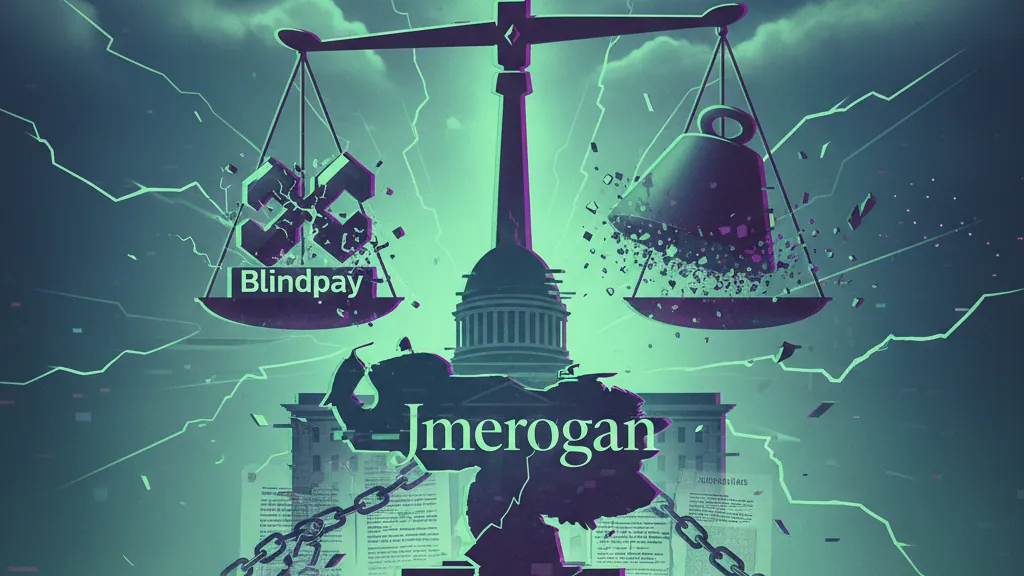
JPMorgan Chase has frozen the accounts of two Y Combinator-backed stablecoin startups, Blindpay and Kontigo, due to concerns over their operations in Venezuela, a country facing significant U.S. sanctions. This action highlights the challenges crypto firms face with regulatory compliance in high-risk jurisdictions.
Written by CoinArticle’s AI Newsroom · from 1 cited source. How we work
JPMorgan Freezes Crypto Startup Accounts Over Venezuela Operations
JPMorgan Chase has taken the drastic step of freezing the accounts of two prominent Y Combinator-backed stablecoin startups, Blindpay and Kontigo. This move is directly linked to their business operations in Venezuela, a country currently subject to extensive U.S. sanctions.
The Account Freeze
The banking giant's actions have brought operations to a standstill for both startups, which had established their banking relationship with JPMorgan through Checkbook, a financial services platform. The freeze effectively halts the companies' ability to conduct transactions through their JPMorgan accounts, leading to operational disruptions for these emerging ventures in the stablecoin space.
As part of Y Combinator’s investment portfolio, both Blindpay and Kontigo have gained substantial visibility, making this enforcement action even more notable. They specialize in stablecoin-based payment solutions, tapping into a burgeoning demand for dollar-denominated digital assets amid currency instability in various emerging markets.
Venezuela Sanctions Connection
The decision to freeze the accounts is reportedly a consequence of the startups' business activities in Venezuela, which has been under heavy U.S. economic sanctions for several years. These sanctions impose severe restrictions on American businesses and financial institutions, preventing them from engaging in most commercial activities with Venezuelan entities and individuals. As a result, compliance with U.S. sanctions poses significant challenges for financial institutions.
Institutions such as JPMorgan are mandated to adhere strictly to the sanctions programs administered by the Office of Foreign Assets Control (OFAC). Non-compliance can lead to hefty fines and penalties, prompting banks to exercise extreme caution regarding potential sanctions risks.
Implications for Crypto Banking
This incident serves as a striking reminder of the persistent tension between cryptocurrency companies aiming to penetrate global markets and traditional financial institutions that must navigate complex regulatory landscapes. Startups in the stablecoin sector often target regions with currency volatility or limited access to U.S. dollars, which frequently coincide with sanctioned jurisdictions.
The freezing of accounts highlights the ongoing challenges crypto companies face in establishing and maintaining banking relationships while operating in high-risk areas. Traditional banks act as critical gatekeepers to the financial system, and their risk tolerance for crypto-related activities is continually tested against stringent regulatory compliance requirements.
Conclusion
The account freezes by JPMorgan highlight that despite cryptocurrency's potential for financial inclusivity, startups in this sector remain heavily reliant on traditional banking infrastructure and are subject to established regulatory frameworks. For crypto ventures targeting emerging markets, navigating the complexities of sanctions compliance is not just an operational hurdle but a fundamental necessity.
Why It Matters
For Traders
The account freezes of these startups may signal increasing regulatory scrutiny in the crypto industry, prompting traders to reassess the risk associated with investing in stablecoins, particularly those with ties to high-risk jurisdictions.
For Investors
Long-term investors should recognize that while the sanctions may pose short-term setbacks, the fundamental demand for digital assets in emerging markets suggests potential growth opportunities, albeit with heightened regulatory challenges.
For Builders
Developers and entrepreneurs in the crypto space must consider compliance with international sanctions when designing new products or services, underscoring the importance of resilient banking relationships and regulatory awareness in their business models.
This article is for information only and is not financial advice. Read the full disclaimer.