JPMorgan Warns of $5 Gasoline Amid Iran Conflict and Oil Supply Disruption
JPMorgan analysts project gasoline could reach $5 per gallon if Iran conflict disrupts oil supply further. Higher fuel costs would intensify inflation pressures and complicate central bank monetary policy decisions globally.
Written by CoinArticle’s AI Newsroom · from 1 cited source. How we work
JPMorgan's Price Projection
JPMorgan strategists warned Tuesday that gasoline prices could climb to $5 per gallon if geopolitical tensions in the Middle East disrupt global oil supply. The forecast assumes escalation of conflict involving Iran, a major oil producer, and reflects the bank's view that current market pricing may underestimate supply-side risk in the region.
Macro and Inflation Implications
A sustained spike in fuel costs would ripple through global economies, pushing headline inflation higher at a time when central banks are already navigating sticky price growth. Higher energy costs feed into transportation, manufacturing, and consumer goods pricing, potentially forcing policymakers to reconsider rate-cut timelines or maintain restrictive monetary conditions longer than planned. The scenario would disproportionately pressure lower-income households dependent on discretionary spending.
Connection to Crypto Markets
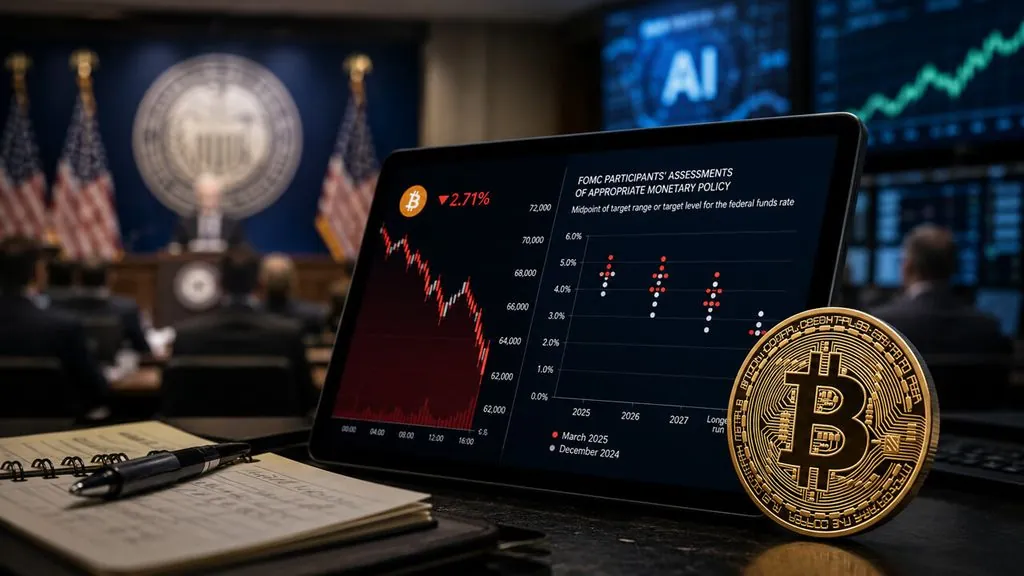
Oil price shocks historically correlate with elevated macroeconomic uncertainty and flight-to-safety behavior in financial markets. Bitcoin and other risk assets often face selling pressure during acute inflation spikes and periods of policy tightening, though some investors view crypto as a hedge against currency debasement if central banks pivot dovish in response to economic slowdown.
Why It Matters
For Traders
Oil and energy futures could spike on escalation headlines; crypto volatility typically increases alongside oil shocks and inflation expectations over the next 24-72 hours.
For Investors
Extended inflation above target levels may delay the multi-month rate-cut cycle crypto markets have priced in, extending the duration of monetary tightness.
For Builders
Macro volatility and tighter financing conditions reduce venture capital deployment into crypto infrastructure; projects dependent on favorable monetary policy face headwinds.
This article is for information only and is not financial advice. Read the full disclaimer.