Kalshi Insider Trading Probes: Impact on Prediction Markets
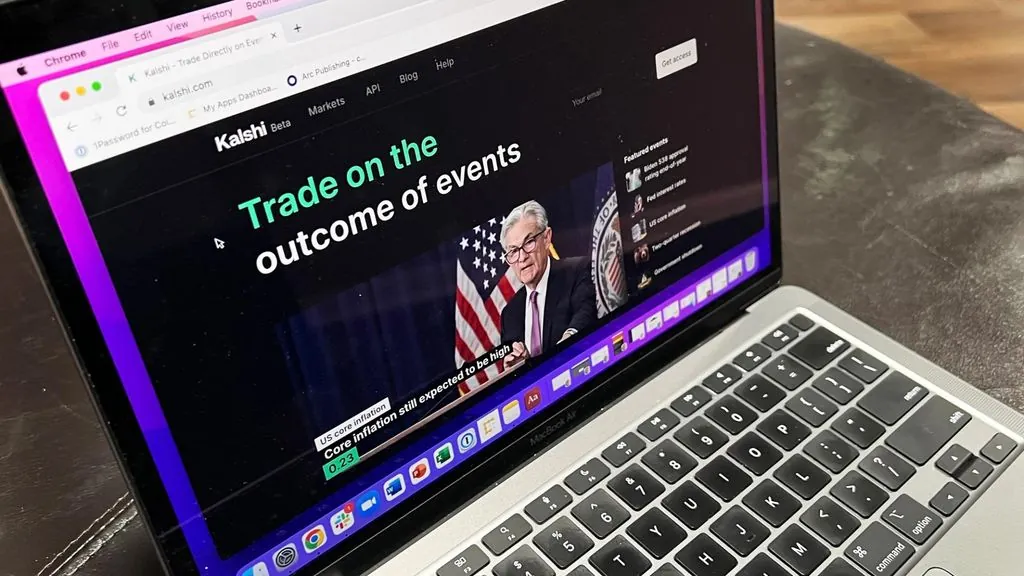
Kalshi, a leading prediction market platform, faces scrutiny with 200 insider trading probes. This situation could redefine the dynamics of prediction markets, affecting traders, investors, and builders.
Written by CoinArticle’s AI Newsroom · from 1 cited source. How we work
Understanding the Landscape of Kalshi and Insider Trading Probes
Kalshi, a platform at the forefront of prediction markets, has recently come under intense scrutiny with the initiation of 200 insider trading probes. These investigations raise crucial questions about the integrity and transparency of prediction markets, designed to harness the collective intelligence of the crowd to forecast future events. As regulators focus on insider trading within these platforms, the implications for traders, investors, and builders in the space could be significant.
The Rise of Prediction Markets
Prediction markets were initially conceived as a sophisticated method to converge financial resources behind various beliefs and hypotheses, reflecting the true likelihood of various outcomes. By allowing participants to place bets on the results of events—ranging from elections to economic indicators—these markets serve as powerful tools for harnessing the wisdom of crowds. Unlike traditional polling methods, which may be skewed by biases or inaccuracies, prediction markets use capital investment as a means to reveal truth without the need for intermediaries like pollsters or pundits.
A Quiet Change on the Horizon
Amid the troubling news of insider trading probes, a potentially transformative change is quietly unfolding within the industry. This change has the potential to reshape the function and structure of prediction markets overnight. Although details remain elusive, it is speculated that this amendment could address concerns over transparency and fairness, ultimately boosting confidence among participants.
Why It Matters
For Traders
For traders engaged in prediction markets, the integrity of the platform is paramount. The ongoing probes could lead to enhanced regulatory oversight, instilling a greater sense of security among traders. Should the upcoming change prove effective, it may increase liquidity as more participants feel confident entering the market. However, traders must remain vigilant, as any regulatory backlash could impose overly stringent rules that limit market functionality.
For Investors
Investors in prediction markets and associated platforms should closely monitor developments surrounding Kalshi. The ongoing probes may weigh on investor sentiment short term; however, a strategic pivot resulting from the impending changes could unlock new opportunities. This is particularly relevant for those who appreciate the potential of prediction markets to provide valuable insights into public opinion and factual developments.
For Builders
For developers and entrepreneurs looking to create or enhance prediction markets, the current landscape offers both challenges and opportunities. The scrutiny faced by Kalshi could serve as a lesson for new entrants in ensuring compliance and fostering trust. Meanwhile, the impending changes present a unique opportunity to innovate within the space—crafting solutions that address existing gaps and forging systems better aligned with regulatory expectations.
In summary, while the short-term outlook for Kalshi may seem uncertain, the longer-term implications of these insider trading probes and the prospect of transformational change could redefine the future of prediction markets. As this story unfolds, stakeholders across the spectrum should prepare for a landscape that continues to evolve, driven by both regulatory influences and market dynamics.
This article is for information only and is not financial advice. Read the full disclaimer.