Kalshi Defends Prediction Markets as Financial Derivatives, Not Gambling
Kalshi argued at Consensus Miami 2026 that prediction markets are regulated financial derivatives, not gambling products subject to state law. The debate underscores ongoing regulatory ambiguity around event-outcome contracts in the U.S.
Written by CoinArticle’s AI Newsroom · from 1 cited source. How we work
Kalshi's Position at Consensus
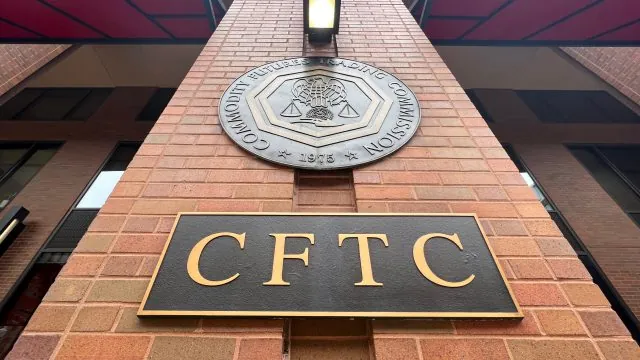
Kalshi representatives defended prediction markets as federally regulated financial derivatives at a live debate Thursday at Consensus Miami 2026, rejecting characterizations that classify them as gambling products. The exchange has operated under CFTC oversight since receiving conditional approval in 2023 and argued that federal commodity regulation is the appropriate framework for event-outcome contracts.
Regulatory Ambiguity Remains
The debate highlights an unresolved tension in U.S. financial law. Prediction markets that allow wagering on elections, sports, and other real-world outcomes occupy a gray zone: they resemble both derivatives (which the CFTC regulates) and gaming (which falls under state and tribal authority). Several states have challenged whether prediction markets should require state gaming licenses, while the CFTC has taken the position that properly structured event contracts fall within its jurisdiction. No federal court has definitively ruled on the question.
Why It Matters
For Traders
Regulatory clarity on prediction markets affects trading hours, position limits, and contract availability; ongoing ambiguity keeps uncertainty premiums in pricing.
For Investors
State-level legal challenges could expand or restrict the addressable market for prediction market platforms; federal framework stability directly affects platform viability.
For Builders
Developers considering prediction market infrastructure need to monitor state litigation and CFTC guidance; ambiguous classification delays product launches and increases compliance costs.
This article is for information only and is not financial advice. Read the full disclaimer.