Kraken Pro Ties Fee Tiers to Holdings, Not Just Trading Volume
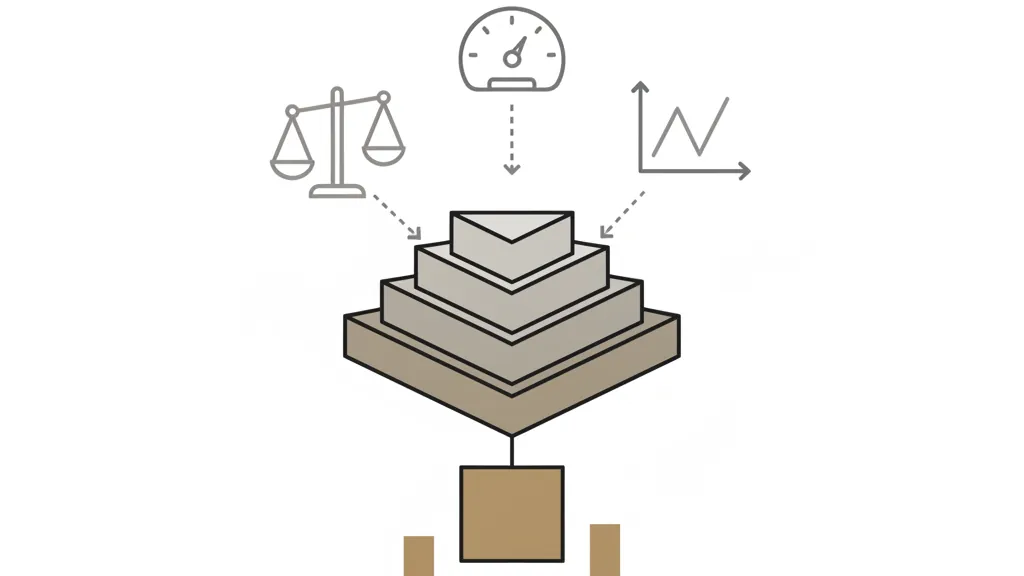
Kraken Pro rolled out a new fee structure on July 9 that qualifies users for lower tiers based on the highest of three measures: spot trading volume, futures trading volume, or total assets held on the platform. The change unifies spot and futures fees under a single tier and removes the need for active trading to qualify for discounts.
Written by CoinArticle’s AI Newsroom · from 1 cited source. How we work
New Tier Logic
Starting July 9, Kraken Pro users now qualify for fee tiers based on whichever measure yields the highest discount: 30-day spot trading volume, 30-day futures trading volume, or real-time assets on platform (AOP). The account automatically adopts the tier that corresponds to the best of the three, and that single tier applies to both spot and futures trading. No manual selection or requalification is needed—the system reassesses in real time.
Holdings Now Count
Previously, holding cryptocurrency on Kraken without trading it did not affect fee tier status. Spot and futures tiers were calculated independently, each based solely on trading volume in that product. Under the new structure, users who accumulate a balance above a certain threshold—even without recent trades—can qualify for better rates immediately. This removes the requirement to actively trade in order to maintain fee discounts.
Practical Effect
For traders who both hold and trade, the change simplifies the tier calculation by unifying two separate tiers into one. Users who hold idle balances benefit by gaining fee-tier status they previously could not access. Kraken did not disclose specific AOP thresholds or announce changes to the underlying fee percentages; the statement notes that full rates and tiers are available on the exchange's fee schedule.
Why It Matters
For Traders
Active traders may see lower fees if their AOP exceeds their recent volume; tier status now recalculates in real time, so deposits or withdrawals can immediately affect your rate.
For Investors
Longer-horizon holders who do not trade actively can now benefit from fee discounts based on accumulated holdings alone, reducing friction for buy-and-hold strategies on a centralized venue.
For Builders
This model shift shows exchanges competing on capital incentives—not just trading volume—which may influence how DeFi protocols and wallets think about exchange partnerships and integration priority.
This article is for information only and is not financial advice. Read the full disclaimer.