Ledger Users Targeted in Phishing Scam Post Global-e Data Breach
Ledger users are currently under threat from a sophisticated phishing scam that exploits data from a recent Global-e breach. This article highlights the risks, implications for the crypto market, and best practices for securing crypto assets.
Written by CoinArticle’s AI Newsroom · from 1 cited source. How we work
Ledger Users Targeted in Phishing Scam Following Global-e Data Breach
The Threat Emerges
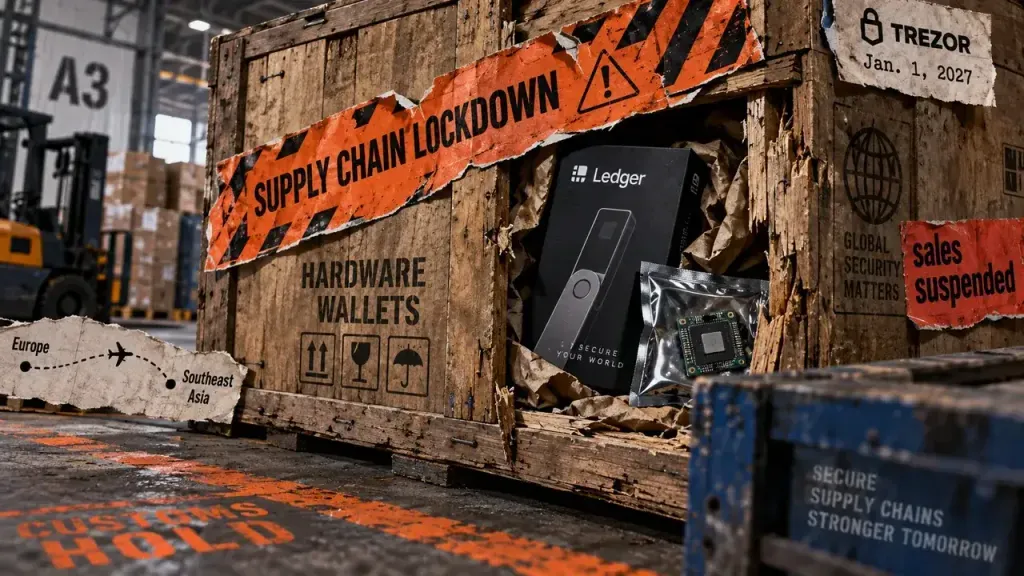
Ledger users are facing a sophisticated phishing campaign that exploits personal data leaked from a recent Global-e breach. Threat actors have weaponized order information stolen during the payment platform's security incident to craft highly personalized scam messages targeting cryptocurrency holders. The leaked data includes customer details and purchase history that fraudsters are leveraging to increase their success rates.
The phishing emails impersonate legitimate Ledger communications, using specific order details and customer names to establish false credibility. This level of personalization dramatically increases the likelihood that recipients will click on malicious links or download trojanized files, mistakenly believing the scams to be genuine correspondences from the company.
How the Attack Works
Scammers are using the compromised Global-e data to identify Ledger customers and create convincing spoofed messages. By referencing actual orders, shipment details, or account information, threat actors can bypass the skepticism that generic phishing attempts typically encounter. The personalized approach transforms what would normally be obvious fraud into messages that appear to originate from trusted sources.
Security researchers warn that victims could lose control of their cryptocurrency holdings if they provide seed phrases, private keys, or authenticate fraudulent wallet recovery attempts triggered by these emails. The intersection of two compromised platforms significantly amplifies the attack surface and increases the probability of attacker success.
Market Implications
This incident reflects a growing vulnerability in the crypto custody ecosystem, where hardware wallet users—often sophisticated investors holding substantial assets—become premium targets. Data breaches in the supply chain continue to haunt the industry, with customer information becoming a valuable commodity for fraudsters.
Why It Matters (For Traders)
Active traders relying on Ledger hardware wallets should immediately audit their security practices. It's critical to verify any unexpected communications by contacting Ledger directly through official channels, rather than clicking links in suspicious emails. Consider temporarily segregating high-value holdings in cold storage environments that are not linked to breached data points.
Why It Matters (For Investors)
This incident underscores counterparty risks in the cryptocurrency infrastructure. Even with exemplary personal security practices, breaches at service providers create cascading vulnerabilities. Institutional investors should reassess the security protocols and data handling practices of their custody providers.
Why It Matters (For Builders)
The attack demonstrates the critical need for zero-trust security architecture in crypto infrastructure. Developers should implement additional authentication layers and verification mechanisms that do not rely solely on email communication. This incident signals a demand for custody solutions that boast enhanced breach-resistant protocols and reduced reliance on external data aggregators.
Recommendations
Users should enable two-factor authentication on all accounts, scrutinize email sender addresses carefully, and never disclose recovery phrases regardless of the claimed urgency. Ledger advises customers to remain vigilant and verify communications through official support channels only.
Entities: Ledger, Global-e
Categories: Technology
This article is for information only and is not financial advice. Read the full disclaimer.