Liquid Staking Tokens Explained: How stETH Works and Depeg Risks
Liquid staking protocols let users earn staking rewards while retaining access to their capital through tradeable receipt tokens like stETH. The mechanism amplifies yield but introduces counterparty and depeg risks that can materially harm unprepared holders.
Written by CoinArticle’s AI Newsroom · from 1 cited source. How we work
How Liquid Staking Works
Traditional staking locks cryptocurrency to secure a blockchain and earn rewards, but ties up capital for weeks or months. Liquid staking protocols circumvent this by accepting deposits, staking them on behalf of users, and issuing a derivative token—such as Lido's stETH—that represents the staked position plus accrued rewards.
The user retains the derivative token and can trade, lend, or use it as collateral in DeFi protocols. Meanwhile, the underlying asset continues earning staking rewards. In theory, this allows the same capital to earn yield in two places simultaneously: once from network staking, and again through yield farming or lending the receipt token.
The Depeg Mechanism and Risk
Liquid staking tokens are designed to maintain a 1:1 peg with the underlying asset. If stETH trades below Ethereum, arbitrageurs can profit by buying stETH at a discount, unstaking it, and redeeming it at full value—a cycle that normally restores the peg.
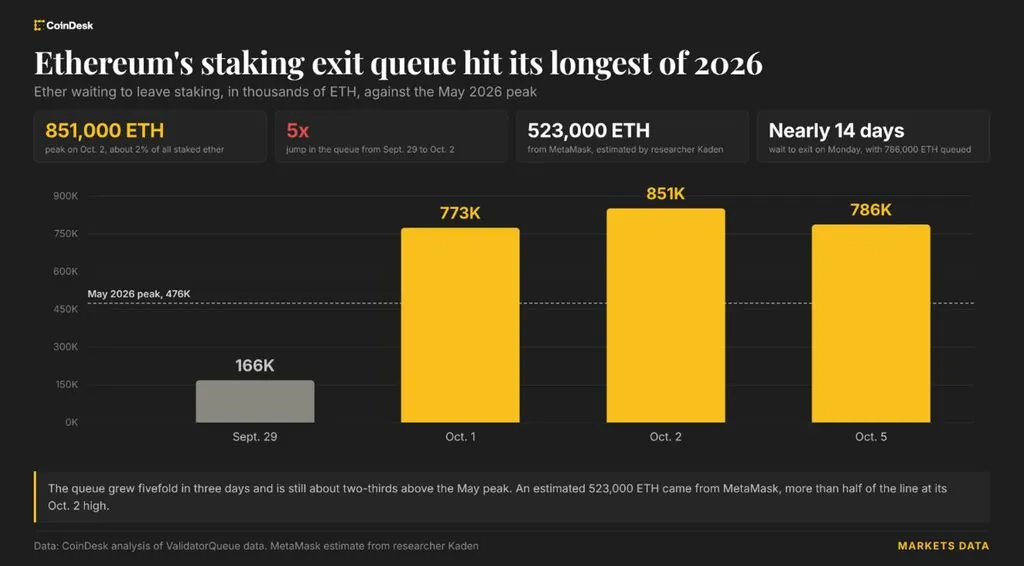
But depeg risk arises when redemptions are disrupted or delayed. If the staking protocol faces operational trouble, liquidity constraints, or mass withdrawals exceed available buffer, the market price of the derivative can fall below its underlying value and stay there. Holders suffer direct losses on any positions they wish to liquidate immediately. The risk is particularly acute for users who have leveraged or borrowed against the derivative token; a depeg can trigger cascading liquidations.
Scale and Structural Considerations
Liquid staking has grown into one of DeFi's largest sectors, with protocols like Lido, Rocket Pool, and Coinbase Wrapped Staked ETH collectively securing tens of billions in deposits. This concentration of stake in a small number of custodians introduces centralization risk: if a major liquid staking provider fails or faces regulatory action, contagion can spread across the ecosystem.
Users should separately evaluate the operational stability, reserve composition, and redemption guarantees of any liquid staking protocol before committing capital. Yield farming with borrowed liquidity compounds these risks and is suitable only for experienced traders with robust risk management.
Why It Matters
For Traders
Depeg events in liquid staking tokens can trigger rapid liquidations for leveraged positions; monitoring redemption delays and reserve health is critical for risk management.
For Investors
Liquid staking has become a core DeFi building block worth tens of billions, but concentration risk in a few large protocols remains a structural vulnerability.
For Builders
Protocols accepting liquid staking derivatives as collateral should model depeg scenarios and implement conservative LTV ratios to prevent cascade liquidations.
This article is for information only and is not financial advice. Read the full disclaimer.