Lummis: Clarity Act Must Pass Now or Window Closes Until 2030
Senator Cynthia Lummis warned that the Clarity Act must be enacted in the current Congress or legislative efforts will not resume until 2030. The Wyoming Republican has championed the bill as a priority for establishing federal cryptocurrency regulatory framework.
Written by CoinArticle’s AI Newsroom · from 1 cited source. How we work
Lummis Issues Deadline for Clarity Act
Senator Cynthia Lummis stated Tuesday that the Clarity Act requires passage in the current congressional session or lawmakers will not revisit crypto regulatory legislation until 2030. Lummis, a Wyoming Republican who has emerged as a leading voice on cryptocurrency policy, framed the timeline as a critical window for establishing federal jurisdiction over digital assets before the political landscape shifts.
What the Clarity Act Proposes
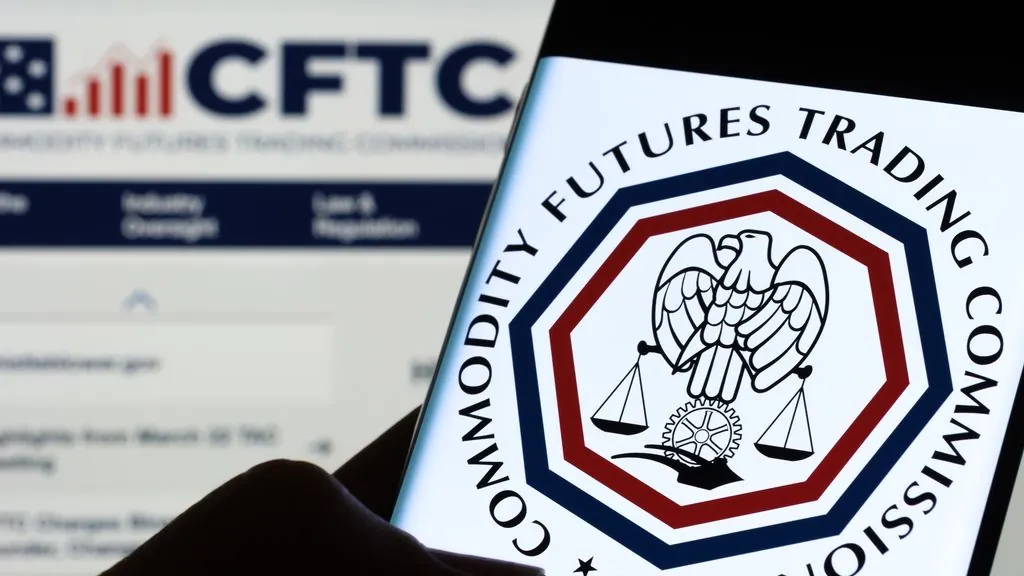
The bill, formally titled the "Clarity for Payment Stablecoins Act," seeks to establish which regulator oversees different cryptocurrency products and activities. It designates the Commodity Futures Trading Commission as primary regulator for most digital assets while positioning the Federal Reserve and banking regulators over stablecoin issuers. Lummis introduced an earlier version of the legislation in 2022 and has reintroduced it this Congress with updated provisions addressing recent market developments and enforcement actions.
Timing and Political Context
Congress faces competing legislative priorities heading into the final weeks of the session, and crypto-specific bills have historically struggled for floor time despite bipartisan sponsorship. Lummis's warning suggests crypto advocates view the current composition of Congress as unusually receptive to digital asset legislation, making the next two years a make-or-break moment before potential shifts in committee leadership or chamber control reset the regulatory calendar.
Why It Matters
For Traders
Regulatory clarity in the U.S. has been a long-standing source of uncertainty for major traders; a failed vote now means two years of extended ambiguity affecting institutional positioning.
For Investors
A 2030 regulatory reset significantly lengthens the timeline for federal clarity, potentially keeping the sector in a compliance gray zone longer and delaying institutional capital deployment.
For Builders
Protocol teams and exchanges relying on U.S. regulatory guidance for product roadmaps face a critical decision point; a failed vote this cycle means no new federal framework codification until 2031 at earliest.
This article is for information only and is not financial advice. Read the full disclaimer.