Massive Hardware Wallet Scam: $280M Lost as Funds Shift to Monero
A victim has lost $280 million in a sophisticated hardware wallet scam, raising security concerns within the cryptocurrency community. The attack highlights vulnerabilities in cryptocurrency storage and the challenges of tracing stolen assets.
Written by CoinArticle’s AI Newsroom · from 1 cited source. How we work
Massive Hardware Wallet Scam: Victim Loses $280M as Funds Move to Monero
In a shocking turn of events, a victim has reported a colossal loss of $280 million due to a sophisticated hardware wallet scam. This fraudulent scheme has triggered alarms within the cryptocurrency community, underscoring the vulnerabilities associated with cryptocurrency storage solutions.
The Scam Unfolds
Details surrounding the scam reveal a meticulous approach taken by the attacker. The victim, who remains anonymous, fell prey to misleading communications that directed them to a malicious replica of a well-known hardware wallet. Once the victim transferred their assets into the fake wallet, the attacker swiftly gained access to the private keys, allowing them to siphon off funds in a matter of moments.
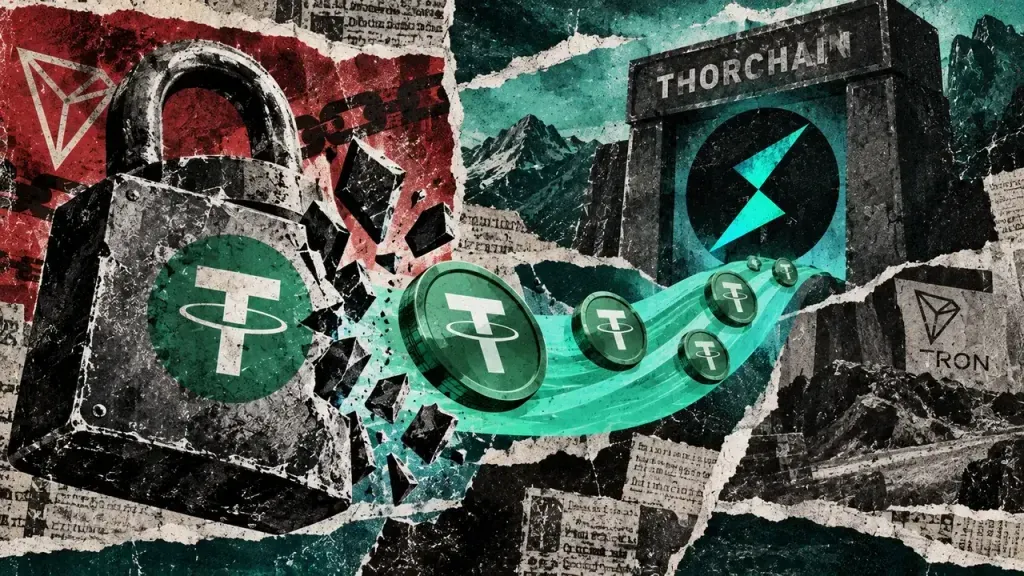
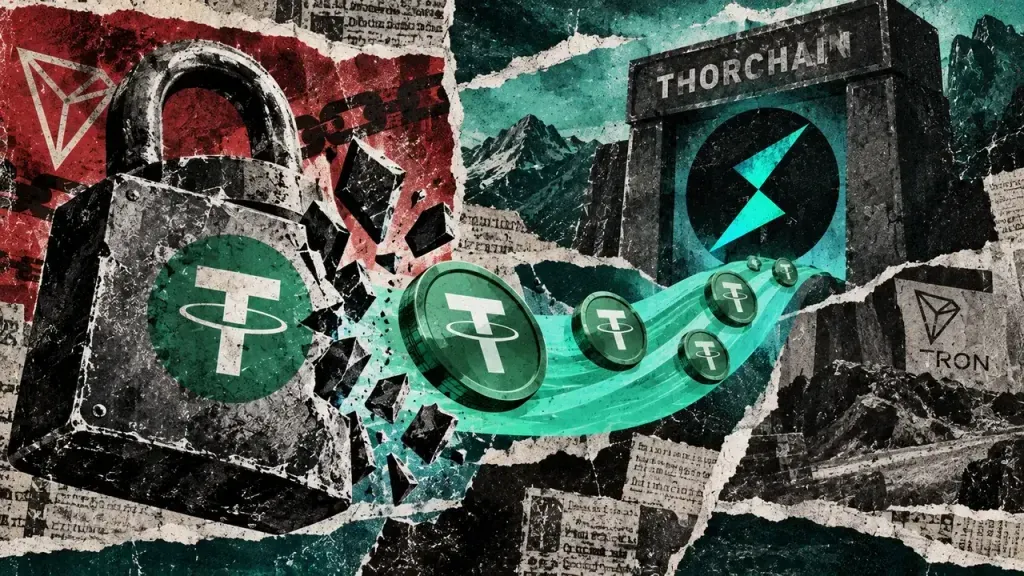
The criminal mastermind behind this operation leveraged THORChain, a decentralized liquidity network, to swap the stolen assets into Monero (XMR), a cryptocurrency famed for its privacy-focused features. Moving the stolen tokens to Monero poses a significant challenge for law enforcement agencies, as Monero transactions are designed to be obscured, complicating efforts to trace the assets back to their original source.
The Implications of This Scam
The staggering loss of $280 million has sparked serious concerns regarding the security of hardware wallets and the tactics that perpetrators exploit to compromise their vulnerabilities. Users must become more vigilant about the authenticity of the devices and services they choose to secure their cryptocurrencies.
Why It Matters
For Traders
Traders should remain cognizant that security breaches can occur at any level, particularly involving the devices used to store cryptocurrencies. This incident serves as a critical reminder to conduct thorough due diligence when selecting hardware wallets, ensuring they are acquired from reputable manufacturers. Maintaining security best practices—like verifying transaction details and never sharing private keys—can protect assets against similar attacks.
For Investors
Investors need to understand that the safety of their digital assets extends beyond mere trading strategies. The hardware used to store cryptocurrencies presents significant risks when not properly secured. Familiarizing themselves with the different types of wallets available—both hot and cold—and their respective security challenges is essential for long-term asset protection. This recent scam may encourage a reevaluation of existing security protocols among investors in the cryptocurrency space.
For Builders
This incident sends a potent message to developers and companies involved in creating cryptocurrency storage solutions. There is an urgent need for increased scrutiny and enhanced security features to mitigate risks associated with hardware wallet scams. Building a more secure and trustworthy ecosystem will require collaboration among developers, regulatory entities, and user communities to establish better security standards for wallets and eliminate unsafe practices.
The massive $280 million loss not only highlights the importance of security within the cryptocurrency landscape but also emphasizes the necessity of constant vigilance among all stakeholders. As the industry matures, embracing innovative technologies and methodologies will be essential in preventing such scams in the future.
This article is for information only and is not financial advice. Read the full disclaimer.