MemeCore M Token Falls 74% in 24 Hours, Market Cap Drops Below $1B
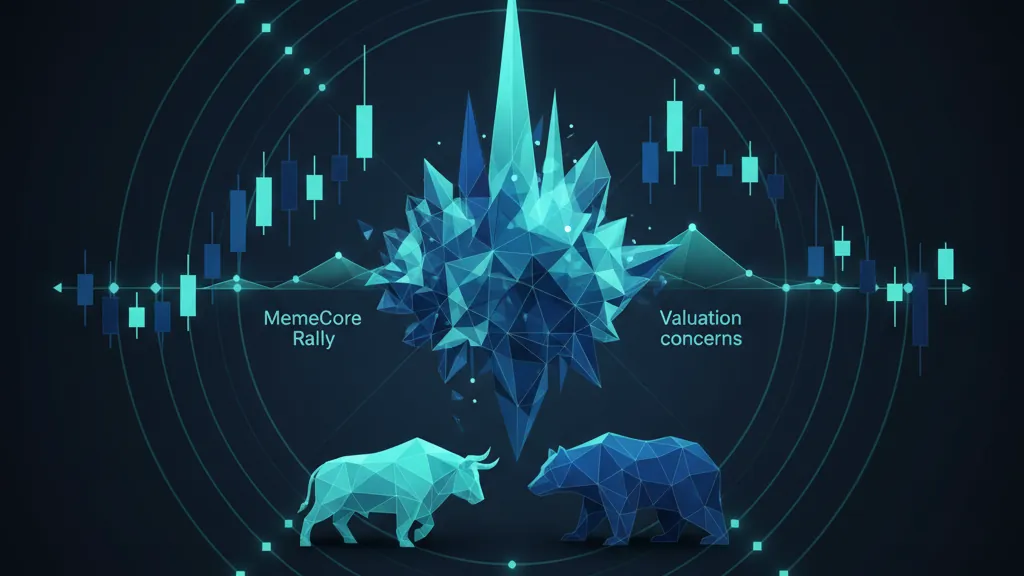
MemeCore's M token declined 74% over a 24-hour period, with market capitalization falling below $1 billion. The sharp move underscores structural vulnerabilities in tokens with thin order books and highly concentrated holder distribution.
Written by CoinArticle’s AI Newsroom · from 1 cited source. How we work
Token Collapse
MemeCore's M token fell 74% in a single 24-hour window, according to the report. The decline pushed the asset's market capitalization below the $1 billion threshold, erasing a substantial portion of its prior valuation.
Root Causes Identified
The collapse reflects two overlapping structural weaknesses common to lower-liquidity tokens. Low trading volume means that significant sell orders encounter minimal buy-side depth, amplifying downward price moves. Concentrated supply — where a small number of holders control a large share of circulating tokens — can trigger cascading liquidations if major holders exit positions.
Market Implications
The move highlights the distinction between market cap and price stability. A token with low volume and top-10 holder concentration can show a large nominal market cap while remaining highly vulnerable to sudden devaluation. Investors evaluating smaller tokens are being advised to assess order-book depth, holder concentration metrics (tracked via on-chain explorers), and whether liquidity pools have sufficient reserves to absorb typical daily trading activity.
Why It Matters
For Traders
Thin-liquidity tokens can gap down sharply on routine sell pressure; position sizing and stop-losses are critical risk controls in this segment.
For Investors
Market cap alone is an unreliable proxy for token stability; liquidity depth and holder distribution are equally important for assessing downside risk.
For Builders
Projects launching tokens should prioritize initial liquidity provisioning and consider vesting schedules that avoid sudden large holder exits.
This article is for information only and is not financial advice. Read the full disclaimer.