Meta Faces Lawsuit Over AI-Driven Layoffs and Disability Discrimination Claims
Former Meta employees filed suit alleging the company used AI systems to identify and terminate workers with disabilities at disproportionate rates during recent layoffs. The case raises questions about algorithmic bias in employment decisions and regulatory gaps in AI-driven HR practices.
Written by CoinArticle’s AI Newsroom · from 1 cited source. How we work
The Allegations
Former Meta employees brought legal action against the company, claiming that artificial intelligence systems used to evaluate workforce reduction decisions systematically discriminated against workers with disabilities. The plaintiffs allege that Meta's AI flagged or prioritized employees with documented accommodations or medical conditions for termination at higher rates than the general workforce, effectively using disability status as a screening criterion.
Regulatory and Ethical Implications
The lawsuit underscores a gap between the pace of AI adoption in corporate HR and existing employment law. The Americans with Disabilities Act and similar statutes predate widespread algorithmic decision-making in hiring and firing. Meta's case may force clarification on whether companies bear liability for discriminatory outcomes of AI systems they deploy, even if no human explicitly programmed discriminatory intent into the model. If the plaintiffs prevail or settle, the precedent could reshape how large employers validate AI hiring and firing tools for bias before use.
Why It Matters
For Traders
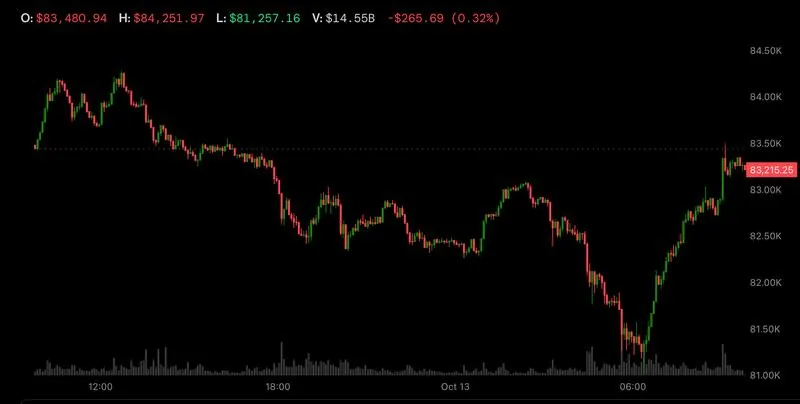
This litigation does not directly affect crypto markets or asset prices, though broad corporate liability findings could increase compliance costs for exchange operators and blockchain companies.
For Investors
Companies in crypto infrastructure and DeFi that use algorithmic systems for user moderation, trading limits, or account flagging face heightened scrutiny on bias and discrimination; legal risk may increase compliance spend.
For Builders
Protocol teams and dApp operators relying on automated moderation or risk-scoring algorithms should audit those systems for disparate impact on protected classes or face similar liability exposure.
This article is for information only and is not financial advice. Read the full disclaimer.