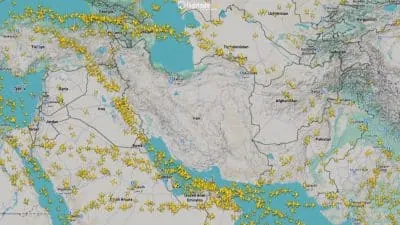
Geopolitical Tensions in Middle East May Affect Crypto Markets
Israeli airstrikes in southern Lebanon mark an escalation in regional conflict that analysts warn could destabilize the broader Middle East. Historical precedent suggests geopolitical crises of this scale tend to increase safe-haven demand for Bitcoin and other non-correlated assets.
Written by CoinArticle’s AI Newsroom · from 1 cited source. How we work
Regional Escalation Underway
Israeli airstrikes have struck targets in southern Lebanon, marking a significant escalation in ongoing regional tensions. The strikes raise the risk of broader military engagement between Israel and Hezbollah, a development that could pull additional state and non-state actors into the conflict zone.
Potential Market Spillover
Geopolitical crises in the Middle East have historically triggered shifts in asset allocation, with investors seeking exposure to non-sovereign stores of value and uncorrelated assets. Bitcoin and stablecoins have at times benefited from safe-haven flows during periods of regional uncertainty, though the effect is neither guaranteed nor uniform across crypto markets. Oil price volatility often accompanies Middle East conflicts, which in turn affects macro positioning and risk appetite across risk assets including cryptocurrencies.
Ongoing Uncertainty
The scope and duration of military escalation remain uncertain. Traders and investors monitor such developments as potential tail-risk triggers, though the relationship between geopolitical events and crypto price action is inconsistent and context-dependent.
Why It Matters
For Traders
Geopolitical risk events historically increase Bitcoin volatility; position sizing should account for potential macro repricing over the next 48-72 hours.
For Investors
Safe-haven flows during regional crises are inconsistent but meaningful; diversified portfolios often include crypto as uncorrelated exposure during macro uncertainty.
For Builders
Stablecoin demand may spike during periods of currency instability or capital flight, increasing transaction volume and network load on settlement layers.
This article is for information only and is not financial advice. Read the full disclaimer.