Geopolitical Tensions in Middle East Could Reshape Crypto Market Dynamics
Escalating military conflict in Syria and Lebanon raises regional instability concerns that could ripple through global markets and cryptocurrency trading. Geopolitical risk premiums typically widen during such periods, affecting both traditional and digital asset valuations.
Written by CoinArticle’s AI Newsroom · from 1 cited source. How we work
Regional Conflict Escalates
Military operations in southern Syria and Lebanon have intensified amid what sources describe as a broader 2026-horizon conflict. The escalation poses risks to regional stability and has drawn attention from geopolitical analysts tracking potential spillover effects into global markets.
Market Implications
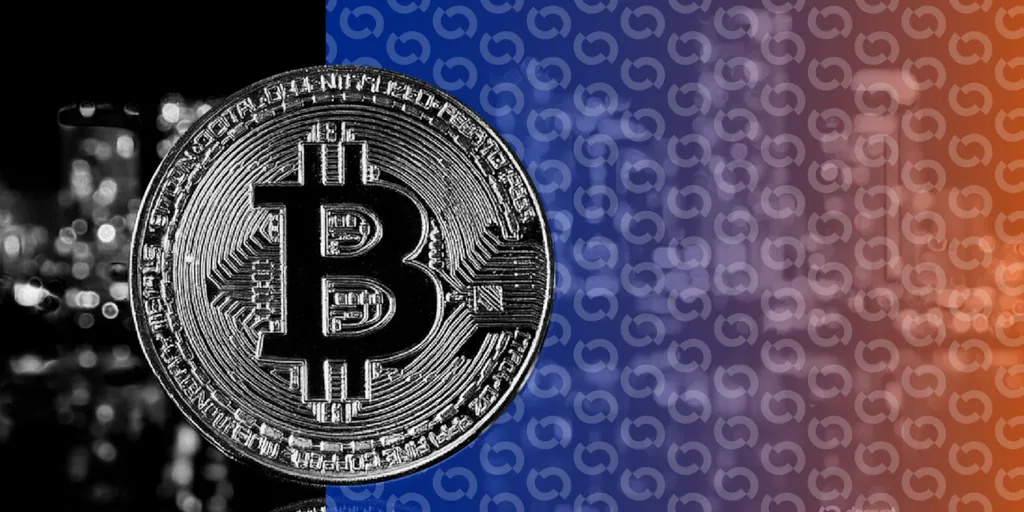
Historically, sharp increases in geopolitical risk correlate with capital rotation toward safe-haven assets, including gold, Treasury bonds, and in recent years, Bitcoin. Oil prices often rise on Middle East supply concerns, which can compress liquidity in risk assets. During periods of heightened regional tension, cryptocurrency volatility typically increases as traders reassess portfolio positioning.
Broader Context
The conflict unfolds amid ongoing discussions about how geopolitical shocks influence cryptocurrency adoption and trading flows. Traders in affected regions and neighboring countries sometimes increase holdings of decentralized digital assets during periods of political or economic uncertainty, though causation remains difficult to isolate from broader macro trends.
Why It Matters
For Traders
Regional geopolitical escalation historically widens volatility bands; monitor oil and equity futures for early signals of broader risk-off moves that could pressure crypto valuations.
For Investors
Sustained Middle East instability can shift capital allocation patterns toward non-correlated assets, potentially increasing institutional interest in cryptocurrency as a diversifier.
For Builders
Infrastructure builders operating in or serving users in affected regions should assess custody, regulatory, and operational resilience against potential economic disruption.
This article is for information only and is not financial advice. Read the full disclaimer.