Model Context Protocol Emerges as Standard for AI Trading Tools
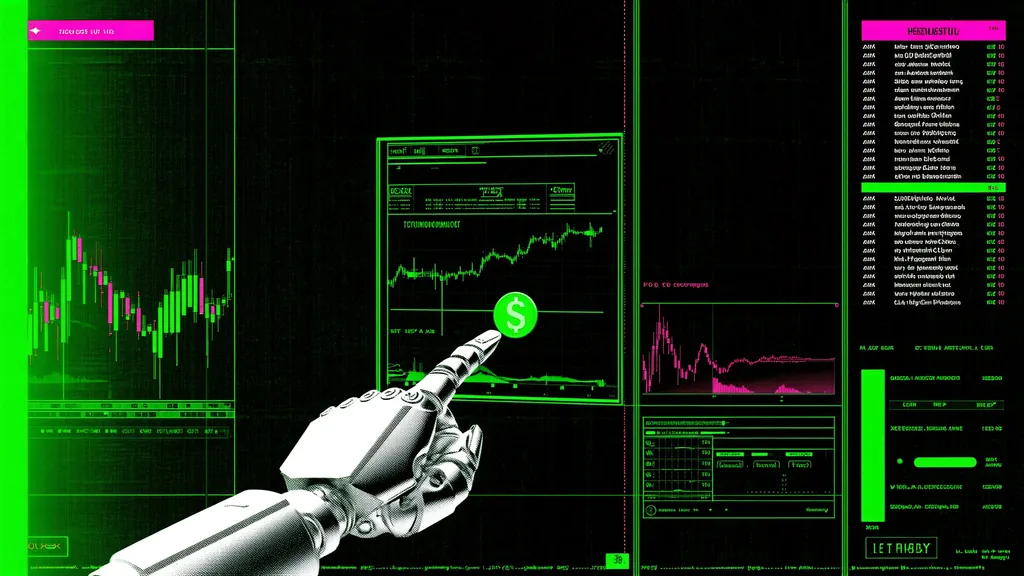
Model Context Protocol, a standard now supported by Claude, Codex, and VS Code, allows AI tools to connect directly to external data sources and execute tasks. Crypto platforms including Cryptohopper have launched MCP servers, enabling traders to feed market data and signals into AI agents.
Written by CoinArticle’s AI Newsroom · from 1 cited source. How we work
What Is MCP
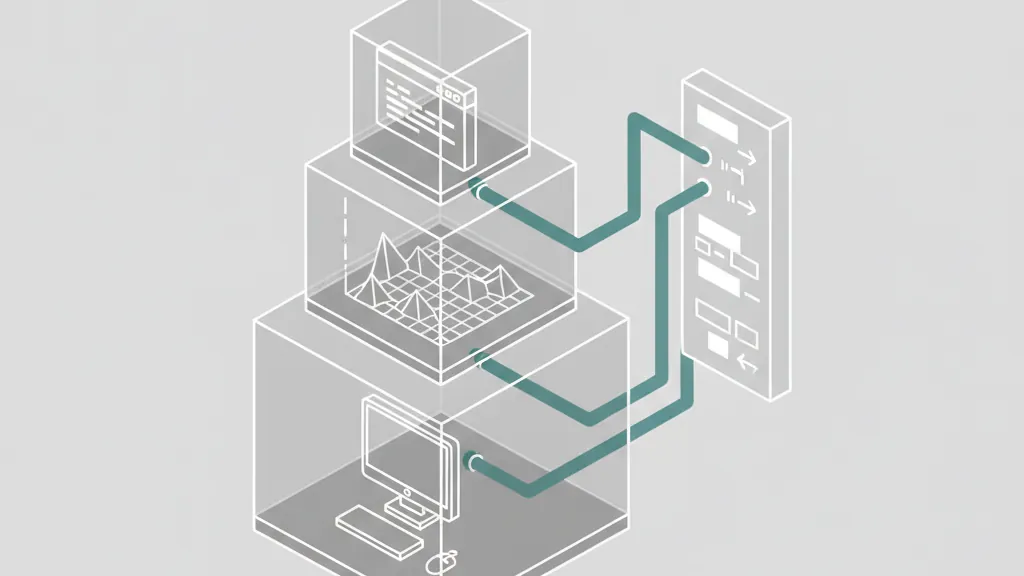
Model Context Protocol is a standardized interface that lets AI models connect to external data sources and execute transactions without hardcoding integrations into each application. Anthropic's Claude, OpenAI's Codex, and code editors like Cursor and VS Code have all built MCP support into their agent modes. The protocol functions as a middleware layer, similar to how APIs connect web services, but specifically designed for AI models to access real-time information and trigger actions across disparate platforms.
Adoption in Crypto and Trading Platforms
Cryptohopper and other data providers have begun releasing MCP servers, allowing traders to pipe market data, signal feeds, and exchange connectivity directly into AI-powered agents. This means a trader can instruct an AI tool running in Claude or VS Code to fetch market conditions from multiple sources, execute orders on an exchange, or audit a smart contract — all through a single interface without requiring the trader to manually switch between tools or copy-paste data.
Implications for Market Infrastructure
MCP adoption signals a shift toward AI agents as first-class participants in trading workflows. By standardizing how AI systems access and act on market data, MCP reduces the friction between data silos and decision-making systems. For builders, it creates an opportunity to expose APIs via MCP servers rather than custom integrations, potentially accelerating the deployment of new data sources and execution layers into agent environments.
Why It Matters
For Traders
MCP-enabled AI agents could simplify multi-exchange monitoring and execution, though widespread adoption depends on exchanges completing their MCP server implementations.
For Investors
Standardized AI-data connectivity may accelerate infrastructure consolidation; platforms that offer MCP servers gain distribution through major AI platforms.
For Builders
MCP becomes a de facto standard for exposing market APIs to AI agents, reducing pressure to maintain custom integrations for each new AI platform.
This article is for information only and is not financial advice. Read the full disclaimer.