Nevada Bans Kalshi Prediction Market: What Traders, Investors, and Builders Need to Know
Nevada has become the first state to impose a ban on the prediction market platform Kalshi, impacting various trading participants. This regulatory move raises critical questions about the future of prediction markets and their governance.
Written by CoinArticle’s AI Newsroom · from 1 cited source. How we work
Nevada Becomes First State to Ban Prediction Market Kalshi—At Least for Now
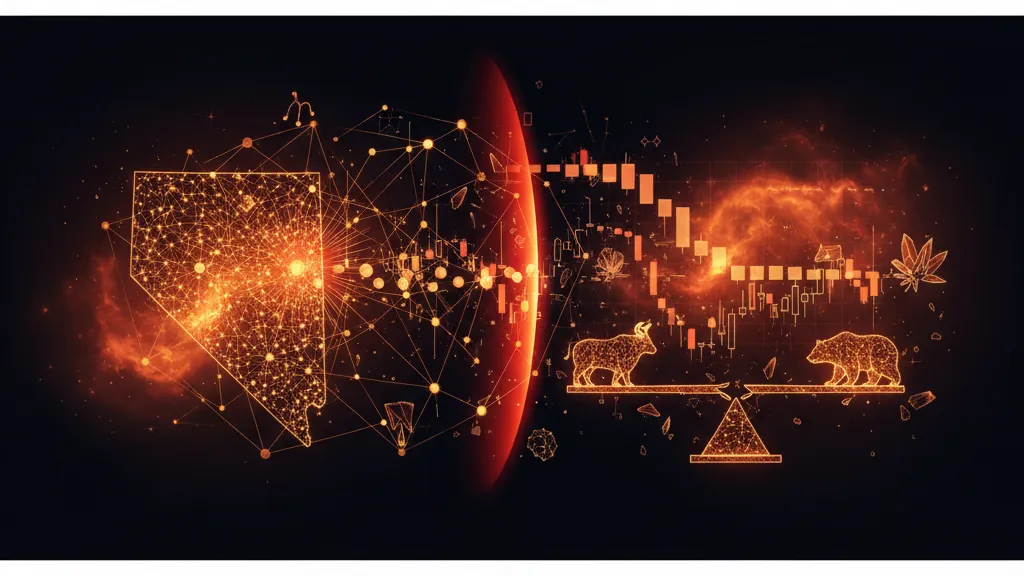
In a noteworthy development in the online trading and cryptocurrency landscape, Nevada has become the first state to impose a ban on Kalshi, a prominent prediction market platform. This ban specifically applies to Kalshi's markets covering a wide range of topics, including sports, politics, and entertainment. While currently localized to Nevada, the implications of this ban could ripple through the broader prediction market space, raising questions about regulatory approaches toward emerging financial technologies.
Understanding the Ban
Kalshi, founded in 2020, operates as a regulated exchange where users can trade on the outcomes of future events. Participants place bets on market predictions, using the platform to hedge against uncertain scenarios, thereby creating a unique marketplace that intersects finance and public interests. However, Nevada's regulatory authorities have stepped in, citing potential risks associated with unregulated prediction markets, particularly those allowing speculation on sensitive matters.
The immediate future for Kalshi in Nevada remains uncertain, as the ban is set to last for at least 14 days. During this period, regulators are likely to reassess the implications of such platforms, with a focus on consumer protection and market integrity. This ban raises essential questions about the role of state governance in the regulation of new financial platforms and their potential for widespread recreational use.
Why It Matters
For Traders
For traders utilizing Kalshi for speculative or hedging purposes, the ban can serve as a significant disruption. Many prediction market participants appreciate the potential to earn from accurately forecasting event outcomes. However, with Nevada's ban, traders in the state may face limited access for the next couple of weeks, leading to a possible reallocation of trading strategies or exploration of alternative platforms to manage or capitalize on their predictions.
For Investors
Investors with a stake in prediction market platforms like Kalshi might view the ban as a warning signal. Increased regulatory scrutiny could present additional challenges for the platform’s future expansion and operations in other states. Potential investors may carefully evaluate the risks of entering a market increasingly subject to significant regulatory changes—ultimately influencing their willingness to invest in such innovative platforms.
For Builders
Entrepreneurs and builders within the crypto and prediction market sectors should take Nevada's ban as a cautionary tale emphasizing the necessity of complying with local regulations. This situation underscores the importance of fostering dialogue with regulators and finding ways to align innovative platforms with existing legal frameworks. Kalshi’s predicament may encourage other startups to proactively engage with state authorities, ensuring their products are perceived as beneficial rather than disruptive.
In conclusion, Nevada's current ban on Kalshi represents a pivotal moment for prediction markets, highlighting the crucial need for a regulatory framework that not only protects consumers but also fosters innovation in this burgeoning sector.
This article is for information only and is not financial advice. Read the full disclaimer.