North Korean Hackers Use AI in Alarming Zerion Attack
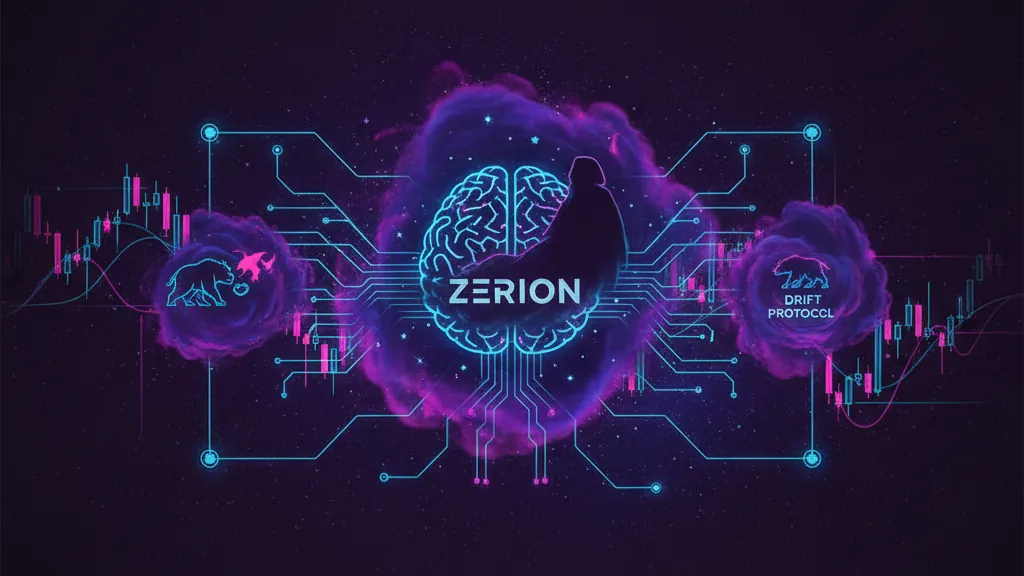
North Korean hackers have harnessed AI-driven social engineering in a recent attack on the decentralized finance platform, Zerion. This incident raises concerns about the sophistication of cyber threats targeting the cryptocurrency sector.
Written by CoinArticle’s AI Newsroom · from 1 cited source. How we work
Overview
In a recent alarming development, cybersecurity experts have reported that North Korean hackers have employed AI-enabled social engineering techniques in their latest attack on the decentralized finance platform, Zerion. This incident marks a worrying trend, as it signifies the second significant social engineering exploit this month, following a breach that resulted in a staggering $280 million loss for the Drift Protocol.
The Zerion Attack
The recent attack on Zerion was meticulously orchestrated, showcasing an advanced understanding of social engineering tactics amplified by artificial intelligence. Unlike traditional cyberattacks that primarily rely on brute force or software vulnerabilities, this incident was characterized by meticulously crafted communications designed to manipulate human emotions and behaviors. The hackers created seemingly legitimate interactions that gained the trust of individuals within the targeted organization, ultimately leading to unauthorized access to critical systems and funds.
Historical Context
The Zerion attack adds to a growing list of incidents this month alone. Earlier, the Drift Protocol suffered a dramatic $280 million exploit, reportedly due to similar social engineering tactics. These events highlight an emerging trend where cybercriminals are not only exploiting technological vulnerabilities but are also enhancing their strategies with AI-driven approaches, making them more effective and harder to detect.
Why It Matters
For Traders
Traders in the cryptocurrency market must remain vigilant about the rising sophistication of cyberattacks, particularly those employing social engineering tactics. The utilization of AI can render these threats more persuasive, leading to catastrophic losses for individuals and platforms that may underestimate these risks. Traders should scrutinize communications more carefully and be cautious of unexpected requests for sensitive information or transactions.
For Investors
Investors in cryptocurrency and decentralized finance platforms should recognize the increasing risks associated with security breaches. The incidents involving Zerion and Drift Protocol could negatively impact investor confidence in the market. Investors should seek platforms that prioritize robust security measures and transparent communication policies. Moreover, understanding defensive strategies against social engineering scams will be crucial for safeguarding investments.
For Builders
For developers and builders in the fintech and DeFi sectors, these attacks serve as a wake-up call to prioritize security features in applications. Incorporating advanced security measures—such as user education about phishing attacks, the implementation of multi-factor authentication, and AI-driven anomaly detection—could significantly mitigate risks. As cyber threats continue to evolve, building resilience into platforms will be essential for sustaining user trust and ensuring long-term success.
Conclusion
The recent cyberattacks attributed to North Korean hackers underscore the pressing need for heightened security awareness across the cryptocurrency landscape. As cyber threats evolve in complexity, collaboration within the community to share insights and bolster defenses against these persistent threats will be vital in fostering a safer ecosystem for all stakeholders.
This article is for information only and is not financial advice. Read the full disclaimer.