Nuclear Plant Attack Raises Geopolitical Risk for Crypto Markets
Russia's Rosatom reported a Ukrainian drone strike on the Zaporizhzhia nuclear facility, escalating military tensions in eastern Ukraine. The incident underscores broader geopolitical volatility that historically correlates with safe-haven demand and macro asset repricing.
Written by CoinArticle’s AI Newsroom · from 1 cited source. How we work
Incident and Safety Concerns
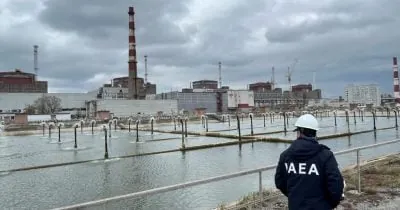
Rosatom, Russia's state nuclear energy company, reported that Ukrainian forces conducted a drone strike on the Zaporizhzhia Nuclear Power Plant in occupied southern Ukraine. The company said the attack damaged infrastructure at the facility, though it did not immediately specify whether reactor containment systems were affected. International bodies including the IAEA have repeatedly called for demilitarization of the site to prevent accidental or deliberate release of radioactive material.
Historical Pattern of Nuclear Tensions and Asset Markets
Military escalation near nuclear infrastructure has historically triggered spikes in volatility across equities, commodities, and cryptocurrencies. During periods of acute geopolitical risk—such as the Russian invasion of Ukraine in February 2022—Bitcoin and other digital assets have often benefited from safe-haven demand alongside gold and US Treasury bonds. However, sustained nuclear risk can also depress risk appetite broadly, pressuring growth-sensitive assets including crypto.
Broader Context
The Zaporizhzhia plant remains under Russian control despite Ukraine's counteroffensive attempts. Repeated attacks and mutual accusations of sabotage have made the facility a flashpoint for international concern. Any material escalation could trigger coordinated central bank or IMF statements that reshape near-term macro positioning across all asset classes.
Why It Matters
For Traders
Geopolitical escalation typically drives flight-to-safety bids on Bitcoin and Ethereum within 24-48 hours; monitor macro headlines and equity index futures for early signals.
For Investors
Sustained nuclear risk can depress risk assets; however, crypto's correlation with equities during crises remains volatile and depends on central bank response timing.
For Builders
Protocol teams building in Ukraine or with significant team presence in conflict zones face increased operational risk; geo-resilience infrastructure becomes a product consideration.
This article is for information only and is not financial advice. Read the full disclaimer.