New York's Revived Bill: The Future of Sports, Politics & Death Prediction Markets
A revived New York bill aims to impose stricter regulations on sports, political, and death prediction markets. This proposed legislation could reshape the betting landscape significantly, raising important ethical and regulatory questions.
Written by CoinArticle’s AI Newsroom · from 1 cited source. How we work
Revived NY Bill Targets Sports, Politics, and Death Prediction Markets
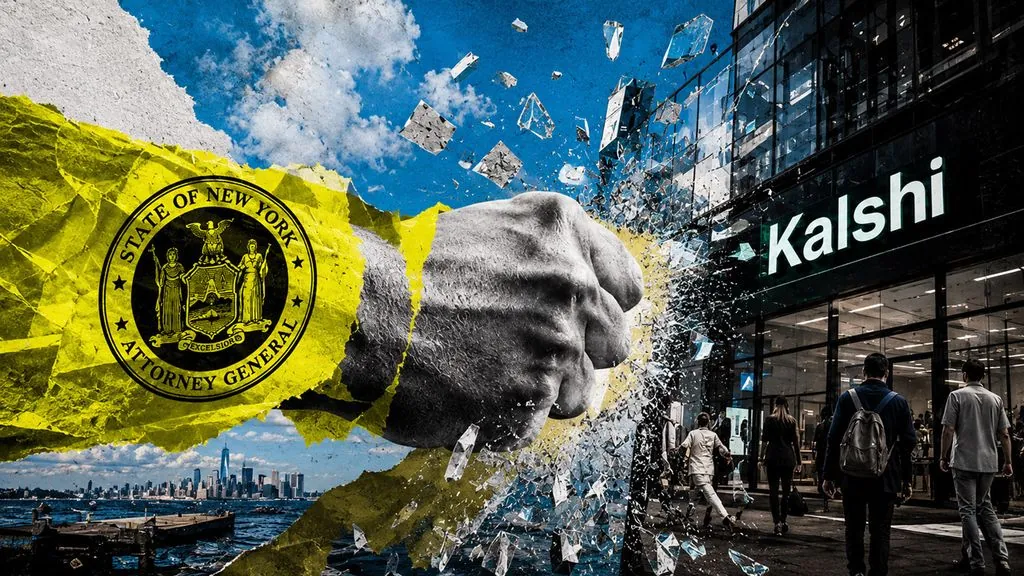
A newly revived bill in New York is set to make waves in the realms of sports, politics, and even death prediction markets. New York lawmakers will soon review the proposed legislation that aims to impose stricter regulations on various forms of betting in the state, specifically targeting contracts related to sports events, political events, and the controversial category of death prediction markets.
Overview of the Bill
The proposed bill, which recently regained traction after previously being sidelined, presents significant changes to how certain prediction markets are regulated in New York. If passed, it would seek to ban contracts linked to specific sports events and political events, making it illegal for these kinds of wagers to be placed and potentially eliminating a segment of the current betting landscape.
The inclusion of death prediction markets in the bill is particularly noteworthy. These markets have garnered both curiosity and criticism, as they allow individuals to speculate on the timing of a person's death. While controversial, they raise complex ethical questions and present unique challenges for regulators trying to balance between individual freedoms and societal norms.
Legislative Process
The bill is expected to undergo thorough examination as lawmakers consider its implications. Given the ongoing debate surrounding gambling and prediction markets, it remains to be seen how much support it will garner from both political factions and the public. Stakeholders in the sports and political industries are particularly attentive to this development, as the potential ban could reshape their respective markets significantly.
Why It Matters
For Traders
Traders in both traditional and crypto markets should take heed of this bill’s implications. Should the bill pass, it may restrict the availability of certain prediction markets that allow traders to hedge their bets on outcomes of significant events. This movement could lead traders to adapt their strategies or seek alternative platforms and jurisdictions for their trading needs.
For Investors
Investors focusing on the gambling and prediction market sectors could experience fluctuating valuations of companies involved in these areas. A more restrictive regulatory environment in New York, a significant market, might result in a declining interest in related investments. Conversely, companies operating in states with less stringent regulations could become more attractive to investors.
For Builders
For those in the blockchain and cryptocurrency space, particularly those developing applications related to prediction markets, this legislative situation is a critical reminder of the intersection between technology and regulation. Builders may need to pivot their focus toward creating compliant platforms that adhere to existing laws or they might explore opportunities in jurisdictions that allow greater freedom for prediction markets.
As New York lawmakers prepare to review this revived bill, its potential repercussions across various sectors underscore the ongoing dialogue around regulation in the digital age.
This article is for information only and is not financial advice. Read the full disclaimer.