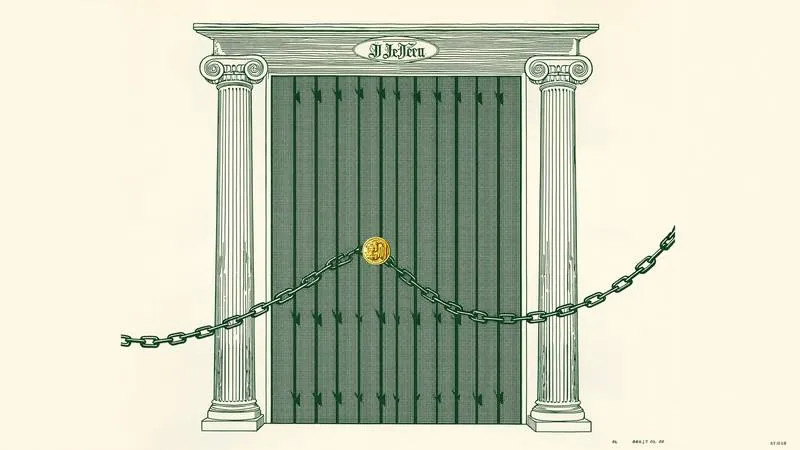
OCC Issues Warning on Bank Debanking Practices Impacting Crypto Sector
The OCC raises red flags over the trend of banks terminating services for crypto firms, warning that such practices threaten financial inclusion and innovation in the digital asset space.
Written by CoinArticle’s AI Newsroom · from 1 cited source. How we work
Regulatory Agency Addresses Growing Concern Over Crypto Sector Access to Banking
The Office of the Comptroller of the Currency (OCC) has issued a stern warning to major financial institutions regarding the growing trend of terminating banking services for cryptocurrency-related businesses, a practice commonly referred to as "debanking."
OCC Raises Alarm on Service Terminations
The federal banking regulator has expressed significant concerns about the increasing frequency with which major banks are severing relationships with crypto firms. This practice involves banks unilaterally closing accounts or refusing to provide services to businesses operating in the digital asset sector, often without detailed explanations.
The OCC's warning highlights the regulatory body's attention to practices it views as potentially discriminatory, which could have far-reaching consequences for both the cryptocurrency industry and the broader financial ecosystem.
Financial Inclusion at Risk
Central to the OCC's concerns is the impact of debanking on financial inclusion. By restricting access to traditional banking services, these practices marginalize legitimate cryptocurrency businesses and hinder their ability to participate fully in the regulated financial system. This exclusion creates barriers for companies that strive to operate within established legal frameworks while serving customers who rely on digital asset services.
The regulatory agency emphasizes that denying banking access based solely on a company's involvement in the crypto sector may undermine efforts to integrate a wider spectrum of participants into the formal financial system.
Innovation Under Threat
Beyond inclusion concerns, the OCC warns that widespread debanking practices may stifle innovation within the financial sector. As digital assets and blockchain technology evolve, limiting the banking industry's engagement with these emerging technologies could hinder the development of new financial products and services.
The regulatory warning suggests that blanket policies against crypto-related businesses may prove counterproductive to fostering responsible innovation in financial services.
Implications for the Industry
The OCC's intervention signifies a potential shift in how banking relationships with crypto firms may be evaluated in the future. Major banks now face increased regulatory scrutiny over their decision-making processes regarding service terminations for digital asset businesses.
This development could pave the way for more structured approaches when assessing crypto clients individually, rather than applying sector-wide exclusions. The warning also indicates that federal regulators are seeking to balance risk management concerns with the imperative to support lawful operations in emerging financial sectors.
Conclusion
The OCC's stern warning represents a pivotal moment in the ongoing dialogue between traditional banking institutions and the cryptocurrency industry. As regulatory oversight intensifies, financial institutions may need to reassess their approach to serving crypto-related businesses while maintaining appropriate risk controls.
Why It Matters
For Traders
The OCC's warning could lead to more stable banking relationships for crypto firms, thereby reducing volatility and uncertainty in the market, which is beneficial for traders.
For Investors
Long-term investors should view this regulatory attention as a positive signal for the legitimacy and growth of the cryptocurrency sector, indicating a move toward greater integration with traditional finance.
For Builders
Developers and builders in the crypto space may find new opportunities for innovation as banking relationships improve, allowing for the creation of more robust financial products and services.
This article is for information only and is not financial advice. Read the full disclaimer.