PayPal Chooses Solana as Default Blockchain for Stablecoin Transactions
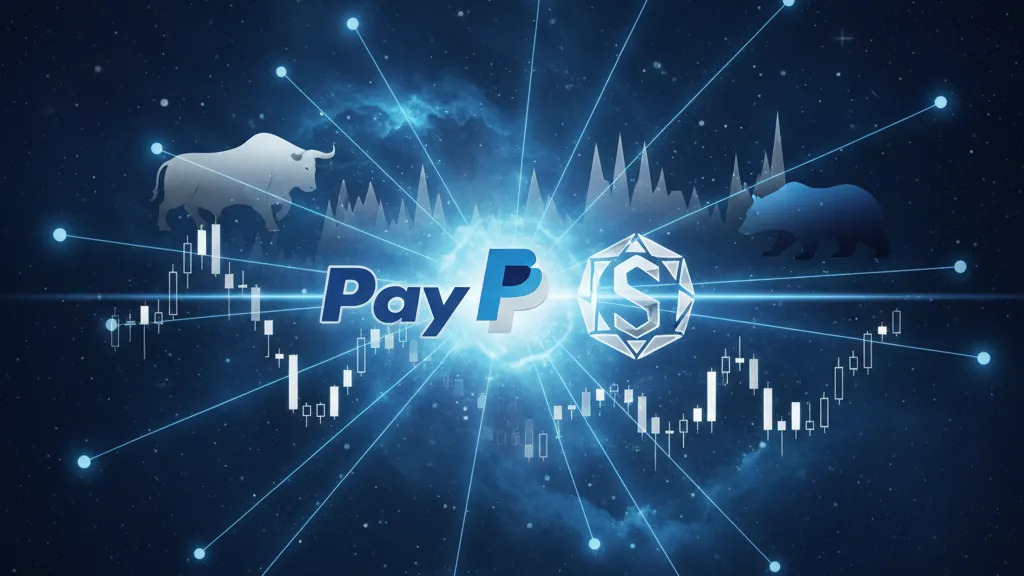
PayPal has officially selected Solana as its default blockchain network for stablecoin processing, marking a significant milestone in the cryptocurrency ecosystem. This strategic move enhances digital payment efficiency and highlights the rising importance of blockchain technology in mainstream finance.
Written by CoinArticle’s AI Newsroom · from 1 cited source. How we work
PayPal Designates Solana as Default Network for Stablecoin Processing
In a significant development for the cryptocurrency landscape, PayPal has announced that it will designate Solana as its default blockchain network for processing stablecoin transactions. This strategic move by the major payments company highlights the growing acceptance of blockchain technology in mainstream finance and sets a new precedent for how digital payments can be executed efficiently.
The Selection of Solana
PayPal’s choice of Solana comes as no surprise to those familiar with the platform’s capabilities. Known for its high throughput and low transaction costs, Solana has emerged as one of the leading blockchain protocols suitable for various applications, including decentralized finance (DeFi) and non-fungible tokens (NFTs). By leveraging Solana’s robust infrastructure, PayPal aims to enhance its stablecoin operations, enabling quicker and more cost-effective transactions for its users.
The introduction of stablecoins has revolutionized how digital currencies are used, providing a bridge between traditional fiat currencies and the fast-evolving crypto markets. As a trusted facilitator of payment services, PayPal’s adoption of a stablecoin network evokes both excitement and scrutiny about the future of digital currencies in everyday transactions.
Why It Matters
For Traders
The selection of Solana as the default network for stablecoin processing by PayPal could set the tone for new trading strategies within the cryptocurrency markets. Traders will now need to consider the increased utilization of Solana-based stablecoins, which could influence liquidity and trading volumes on various exchanges. Furthermore, stablecoin transactions processed on a scalable network like Solana might see reduced volatility, making them a more appealing option for traders looking for liquidity and security in their transactions.
For Investors
For investors in both PayPal and Solana, this partnership could signal positive growth potential. PayPal’s substantial user base opens the door for increased adoption of cryptocurrencies, particularly among those who may have been hesitant to engage with digital assets previously. Moreover, Solana's valuation may see an uptick as its integration with PayPal enhances its exposure to a wider audience. Investors should monitor developments in both companies as they navigate this partnership and its implications for the broader market.
For Builders
For developers and builders in the crypto space, the collaboration between PayPal and Solana presents a unique opportunity to innovate. The integration with a major payment platform could inspire a new wave of decentralized applications (dApps) that leverage PayPal’s extensive network while operating on Solana’s fast and efficient blockchain. Builders may find novel ways to create tools and services that capitalize on the seamless transaction capabilities that this partnership promises.
As PayPal embraces the blockchain through its collaboration with Solana, the ripple effects could reshape the landscape of digital payments and cryptocurrency transactions, encouraging further exploration and integration of blockchain technology in traditional finance.
This article is for information only and is not financial advice. Read the full disclaimer.