Philippine Regulators Crack Down on 50 Unauthorized Crypto Platforms
In a major enforcement action, Philippine authorities have ordered ISPs to block access to 50 unauthorized cryptocurrency platforms. This move highlights the government's commitment to regulating digital assets and ensuring compliance with financial regulations.
Written by CoinArticle’s AI Newsroom · from 1 cited source. How we work
Philippine Regulators Crack Down on 50 Unauthorized Crypto Platforms
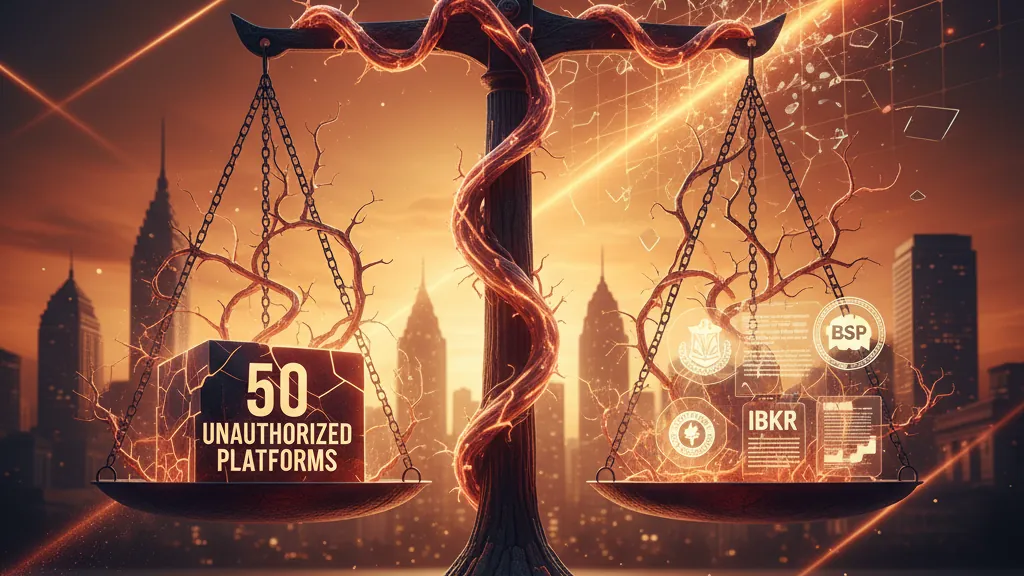
The National Telecommunications Commission (NTC) has taken decisive action by directing Internet Service Providers (ISPs) across the Philippines to block access to 50 unlicensed cryptocurrency trading platforms. This directive follows a formal request from the country’s central bank, the Bangko Sentral ng Pilipinas (BSP), reflecting the government's increased vigilance in the burgeoning digital asset landscape.
Regulatory Action Details
The blocking order specifically targets online crypto trading platforms that lack the necessary authorization from the BSP. This collaborative effort between the NTC and the BSP underscores a robust strategy to enforce compliance with existing financial regulations governing the rapidly evolving cryptocurrency sector.
The involvement of the NTC is aligned with its mandate to regulate internet-based services, while the BSP maintains its authority over financial service providers operating within the Philippines. By coordinating their efforts, these regulatory bodies aim to ensure that both local and international platforms adhere to the country's licensing requirements.
Clarification Amid IBKR Concerns
This announcement coincides with clarifications regarding Interactive Brokers (IBKR), alleviating confusion about whether authorized platforms would be impacted by the blocking directive. The NTC’s statement seeks to differentiate between unauthorized crypto platforms and those that are compliant with licensing requirements, thereby reassuring users of legitimate services.
Implications for the Philippine Crypto Market
This enforcement action is a clear indication of the Philippine government’s commitment to oversight in the cryptocurrency sector, even as the nation generally embraces digital assets. The blocking order effectively targets both local and international platforms that have failed to comply with BSP licensing mandates, emphasizing the critical need for Filipino traders and investors to engage only with authorized platforms.
Users attempting to access the 50 blacklisted platforms through local ISPs will find these sites inaccessible, which could potentially disrupt activities for many in the crypto space. This development also serves as a cautionary signal to other unlicensed platforms still operating within the Philippine market, signaling that regulatory authorities are vigilant and prepared to take swift enforcement actions against non-compliant services.
Regulatory Landscape
The Philippines has implemented a regulatory framework requiring cryptocurrency exchanges and trading platforms to register with the BSP and adhere to anti-money laundering and consumer protection regulations. This latest enforcement action demonstrates the government’s resolve to maintain regulatory compliance through technical measures whenever necessary.
The collaboration between the BSP and the NTC illustrates an emerging, sophisticated approach to regulating digital financial services, effectively leveraging telecommunications infrastructure to support broader monetary policy objectives.
Why It Matters
For Traders
This crackdown serves as a reinforcement of the importance of trading through BSP-authorized platforms, ensuring compliance and security in transactions.
For Investors
Long-term investors should note the Philippine government’s rigorous approach to regulation, which aims to stabilize the market and enhance consumer protection within the crypto ecosystem.
For Builders
Developers operating in the crypto space should take heed of these regulatory developments and ensure their platforms meet all licensing requirements to avoid similar enforcement actions.
This article is for information only and is not financial advice. Read the full disclaimer.