Can Pi Network Overcome $0.18 and Thrive Post-2026 Mainnet Launch?
The Pi Network, once an IOU cryptocurrency, is now a Layer 1 (L1) blockchain trading at $0.18. With its open mainnet set for 2026, critical questions regarding its future adoption and market performance remain.
Written by CoinArticle’s AI Newsroom · from 1 cited source. How we work
From IOU Hype to $0.18 L1: Can Pi Escape Its Range in 2026?
The cryptocurrency landscape is often a rollercoaster of excitement and disappointment, a phenomenon very apparent with the Pi Network (commonly known as PI). Originally launched with substantial hype as an "IOU" cryptocurrency, Pi has transformed into a Layer 1 (L1) blockchain currently trading at $0.18. With the open mainnet scheduled for 2026, the future of Pi holds critical implications for its potential adoption and real-world usage.
The PIB Context
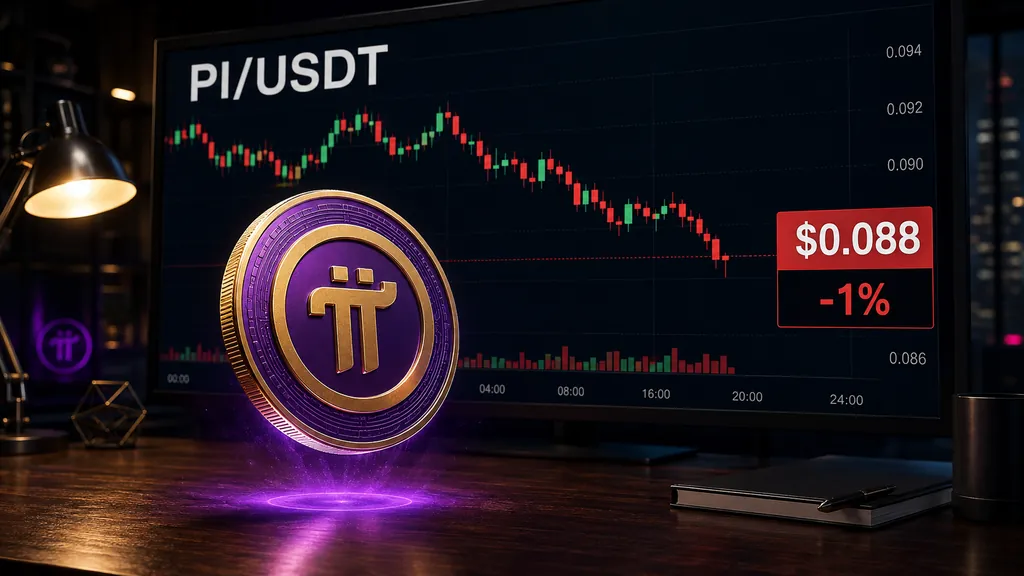
Initially introduced to millions as a user-friendly way to mine cryptocurrency via mobile devices, Pi captivated a wide audience. However, as anticipation grew, it became evident that the transition from a mere IOU to a functioning digital asset would define its trajectory in the market. As of now, Pi is perceived as a battered $0.18 L1, an indication of its struggling market performance that has led many to question whether it can sustain any upward momentum in the coming years.
The scheduled launch of Pi's open mainnet in 2026 is a pivotal moment for the network. This event promises the potential for real usage scenarios, allowing users to transact with and build on the blockchain. However, it also introduces the risk of significant sell pressure, as early adopters might rush to liquidate for profits, leading to further price volatility.
Why It Matters
For Traders
Traders should monitor Pi's price action closely as the 2026 deadline approaches. Many will likely adopt a speculative trading strategy based on anticipated news and developments surrounding the open mainnet. Understanding the sentiment fluctuations leading up to the launch could provide traders with opportunities to profit—whether through short-term trades before potential sell-offs or long-term investments if Pi establishes a definitive use case.
For Investors
For investors, the open mainnet represents both an opportunity and a gamble. If Pi can showcase tangible value and adoption post-launch, it may recover from its current stagnant price. However, if it fails to attract users or develop an ecosystem that fosters engagement, Pi could face continued declines or stagnation. Investors should weigh these risks and focus on the foundational technology and community surrounding the network as indicators of potential future success.
For Builders
Developers and entrepreneurs looking to build on the Pi Network should keep a close eye on the upcoming open mainnet. The success of their projects will depend significantly on the infrastructure that Pi can provide. Having a solid technological framework, clear use cases, and developer incentives will be crucial for attracting startups and fostering an innovative ecosystem. Builders must prepare for varying scenarios, from rapid adoption to potential setbacks post-launch.
In summary, Pi’s transition from a hyped IOU to a low-value L1 presents a mixed bag of possibilities for all stakeholders involved. The 2026 open mainnet is set to be a defining moment that could either propel Pi to new heights or leave it languishing under the weight of its past. Only time will tell whether Pi can transcend its current standing and carve out a meaningful place in the crowded cryptocurrency marketplace.
This article is for information only and is not financial advice. Read the full disclaimer.