US Grid Operators PJM and ERCOT Swamped With Connection Requests
PJM and ERCOT, two major US grid operators, report connection requests that exceed available power capacity, raising concerns about electricity costs and grid reliability. The bottleneck underscores growing demand for grid access, particularly from data centers and cryptocurrency mining operations.
Written by CoinArticle’s AI Newsroom · from 1 cited source. How we work
Grid Connection Backlog Grows
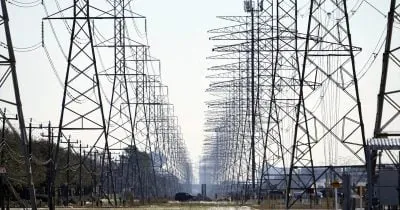
PJM Interconnection and ERCOT (Electric Reliability Council of Texas) are facing record connection requests that collectively exceed their available generation and transmission capacity, according to recent regulatory filings. Both grid operators manage critical infrastructure serving tens of millions of consumers across the East Coast and Texas respectively. The surge in applications reflects demand from large electricity consumers, including data centers, artificial intelligence facilities, and cryptocurrency mining operations seeking grid access.
Supply, Cost, and Reliability Concerns
The backlog poses two immediate risks: higher wholesale electricity costs as competition for scarce capacity intensifies, and potential grid reliability issues if demand outpaces available generation during peak periods. Existing rules require lengthy interconnection studies before new loads can connect, and the queue delays now extend multiple years in both regions. Grid operators and regulators are under pressure to streamline the approval process without compromising safety or stability standards.
Industry Pushes for Regulatory Flexibility
Stakeholders are calling for expedited permitting rules and incentives for renewable energy buildout to absorb incremental demand. Some proposals include temporary demand-response programs that could reduce consumption during peak hours and allow faster onboarding of new loads. Neither PJM nor ERCOT has announced formal changes to their interconnection policies, but both have signaled openness to regulatory review.
Why It Matters
For Traders
Rising grid stress could lift electricity futures prices over months ahead, directly affecting marginal cost structures for mining and data center operators with unhedged positions.
For Investors
Regulatory gridlock on interconnection may slow AI and crypto infrastructure buildout, reshaping investment thesis for operators and energy providers betting on US capacity expansion.
For Builders
Protocol teams relying on data center infrastructure for indexing or sequencing should monitor grid delays; extended queues could raise hosting costs and constrain deployment timelines.
This article is for information only and is not financial advice. Read the full disclaimer.