Protecting Your Ethereum: Vitalik Buterin's Key Warning on User Verification
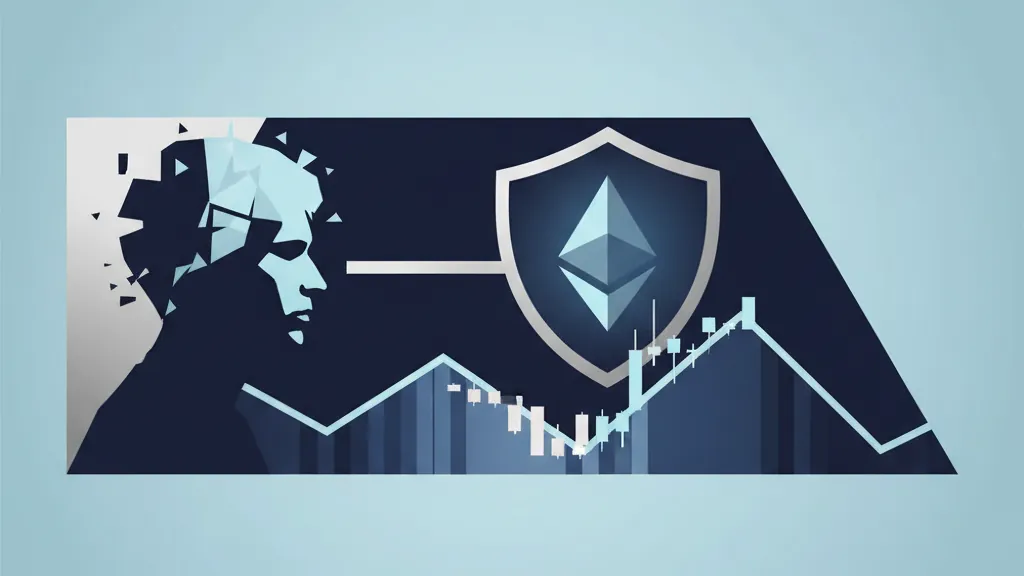
Vitalik Buterin, the co-founder of Ethereum, has acknowledged a major design mistake concerning user verification since 2017. This admission emphasizes the importance of self-hosted verification to enhance security and integrity within the Ethereum network.
Written by CoinArticle’s AI Newsroom · from 1 cited source. How we work
Is Your Ethereum at Risk? Vitalik Buterin Admits His Biggest Design Mistake Since 2017
In a candid admission that has sent ripples through the crypto community, Ethereum co-founder Vitalik Buterin has publicly acknowledged what he considers his most significant design mistake related to the Ethereum network since 2017. This revelation holds substantial implications for users and the overall security of Ethereum's architecture.
Buterin's shift in perspective stems from a reevaluation of a tweet he made in 2017, in which he downplayed the importance of users verifying transactions end-to-end. He has now clarified that he believes self-hosted verification should be viewed as a "non-negotiable escape hatch" for the Ethereum network. This pivot comes as Ethereum's infrastructure continues to evolve, becoming lighter and more modular, thereby necessitating a fresher understanding of verification protocols.
Understanding the Shift
Initially, Buterin's 2017 stance arose from a design debate within the Ethereum community. The focus was primarily on creating a seamless user experience, which led to a range of assumptions about the necessity for personal verification. However, as Ethereum has grown and matured, it has become evident that empowering users to maintain their own verification protocols is crucial for integrity and trust within the ecosystem.
Buterin’s latest reflections suggest that a robust and decentralized verification process is integral to ensuring that users remain secure against potential vulnerabilities. As decentralized finance (DeFi) and various applications on the Ethereum network proliferate, the inherent risks associated with relinquishing personal verification become more pronounced.
Why It Matters
For Traders
Traders should take Buterin's updated perspective seriously. As the network evolves, the importance of user-driven verification may influence the structure and safety of trades, necessitating a thorough evaluation of asset security to avoid exposing themselves to new risks.
For Investors
Investors in Ethereum and projects built on its blockchain should regard Buterin's admission as a clarion call for enhanced governance and security measures. A focus on user verification could significantly shape the future adoption and value proposition of Ethereum, fostering a more robust network capable of combatting centralization risks.
For Builders
For developers and builders in the Ethereum ecosystem, Buterin’s comments highlight the need to integrate self-verification methods into their dApps and protocols. Prioritizing user empowerment is essential for fostering a resilient and trustworthy environment in an increasingly competitive landscape.
As the Ethereum landscape continues to evolve, Buterin's admission serves as a crucial reminder of the delicate balance between usability and security in one of the world’s largest blockchain networks. The community and stakeholders must adjust their strategies accordingly to safeguard their interests and enhance the network's overall integrity.
This article is for information only and is not financial advice. Read the full disclaimer.