Qatar Joins Iran-Oman Talks as Strait of Hormuz Tensions Rise
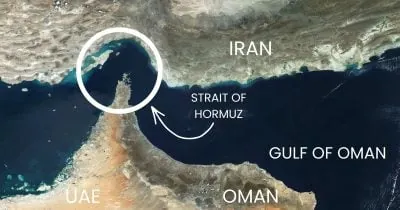
Qatar has joined mediation talks between Iran and Oman in Muscat as tensions escalate around the Strait of Hormuz, a critical chokepoint for global energy shipments. The regional diplomacy effort could influence US-Iran relations and ease pressure on oil supplies, with indirect implications for crypto volatility.
Written by CoinArticle’s AI Newsroom · from 1 cited source. How we work
Regional Mediation Effort
Qatar has joined talks between Iran and Oman in Muscat, positioning itself as a mediator in escalating tensions around the Strait of Hormuz. The move reflects Qatar's established role in facilitating dialogue between regional powers and the United States. The talks come amid rising maritime friction in one of the world's most critical energy transit routes.
Energy Markets and Broader Impact
The Strait of Hormuz handles roughly 20% of global seaborne oil trade, making it a key determinant of energy prices worldwide. Regional instability in the area has historically driven oil price volatility, which in turn affects macroeconomic conditions and investor risk appetite across asset classes including cryptocurrency. Qatar's mediation efforts, if successful in de-escalating tensions, could ease upward pressure on energy costs and reduce uncertainty in global financial markets.
Why It Matters
For Traders
Oil prices and geopolitical risk premiums drive macro volatility; de-escalation in Hormuz tensions could reduce safe-haven flows that compete with risk assets.
For Investors
Crypto's correlation to macro conditions means reduced energy-price uncertainty may ease inflationary pressures, affecting Fed policy expectations and market risk appetite.
For Builders
Stable energy prices reduce operating costs for proof-of-work mining and data-center-intensive infrastructure, improving margins for on-chain validators and node operators.
This article is for information only and is not financial advice. Read the full disclaimer.