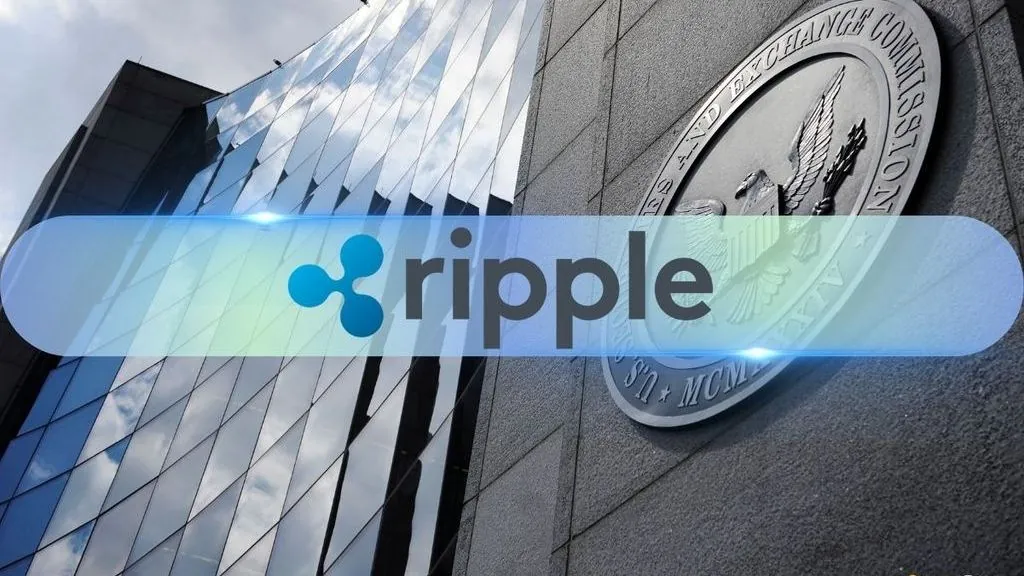
Ripple's Regulatory Win: A Game-Changer for Crypto Banking
Ripple and four other firms have obtained critical banking licenses, setting a new precedent for the cryptocurrency industry's integration into traditional finance. This regulatory approval has far-reaching implications for the future of digital assets.
Written by CoinArticle’s AI Newsroom · from 1 cited source. How we work
Major Regulatory Breakthrough for Crypto Industry
In a significant development for the cryptocurrency sector, Ripple and four additional companies have secured crucial banking licenses, marking a pivotal moment in the integration of digital assets into traditional financial infrastructure. This regulatory approval paves the way for expanded crypto services operating under established federal oversight frameworks.
Ripple National Trust Bank Expansion
The new approvals enable Ripple National Trust Bank to broaden its cryptocurrency service offerings while maintaining compliance with federal banking regulations. This licensing achievement not only legitimizes crypto operations within the conventional banking system but also provides institutional-grade infrastructure for digital asset services, promoting trust among users.
This move reflects the growing acceptance of cryptocurrency businesses by regulatory authorities, who have traditionally maintained a cautious stance toward digital asset integration in the banking sector.
Implications for the Crypto Industry
This regulatory milestone carries several important implications for the broader cryptocurrency ecosystem:
Regulatory Clarity: The approval of banking licenses for crypto-focused entities showcases increasing regulatory clarity in the digital asset space. Federal oversight provides a framework for compliant operations, potentially reducing the uncertainty that has historically challenged crypto businesses.
Market Legitimacy: Banking licenses grant crypto companies enhanced credibility within traditional financial markets. This newfound legitimacy is likely to facilitate greater institutional participation and mainstream adoption of cryptocurrency services.
Compliance Framework: Operating under federal oversight establishes clear compliance standards for crypto services, potentially setting precedents for future regulatory approaches across the industry.
Federal Oversight and Consumer Protection
The expansion of Ripple's crypto services under federal oversight introduces essential traditional banking safeguards to digital asset operations. This regulatory supervision seeks to balance innovation in cryptocurrency services with necessary consumer protection measures and financial system stability.
Federal oversight typically encompasses capital requirements, risk management protocols, and anti-money laundering compliance—standards that contribute to building trust in crypto financial services among retail and institutional users alike.
Conclusion
The licensing approvals for Ripple and four other companies represent meaningful progress in bridging cryptocurrency services with regulated banking infrastructure. As these entities expand their operations under federal oversight, the industry moves closer to establishing standardized frameworks that support both innovation and regulatory compliance. This development may signal a broader trend toward the integration of digital assets within the traditional financial system while maintaining appropriate supervisory standards.
Why It Matters
For Traders: This regulatory clarity can lead to increased market stability and could result in price appreciation for leading cryptocurrencies as confidence grows in regulatory compliance.
For Investors: Long-term investors may view this as a sign of a maturing market, opening pathways for broader adoption and increased institutional investment in cryptocurrencies.
For Builders: Developers and builders in the crypto space can anticipate a more structured environment for creating products that comply with regulatory standards, potentially leading to more innovative and safer financial solutions.
This article is for information only and is not financial advice. Read the full disclaimer.