Robinhood Chain Generates $843K in Fees While Paying Ethereum Just $1.6K
Robinhood Chain collected approximately $843,000 in user fees while remitting only $1,600 to Ethereum for settlement costs, according to on-chain data. The disparity has renewed debate over how Layer 2 networks distribute value between users, operators, and the base layer.
Written by CoinArticle’s AI Newsroom · from 1 cited source. How we work
Fee Collection and Settlement Gap
Robinhood Chain accumulated roughly $843,000 in user fees while paying Ethereum approximately $1,600 in settlement costs, highlighting a structural asymmetry in how Layer 2 networks route value. The $841,400 difference between fees collected and fees paid to the base layer remains with the sequencer or protocol treasury, depending on Robinhood's fee distribution model.
L2 Economics Under Scrutiny
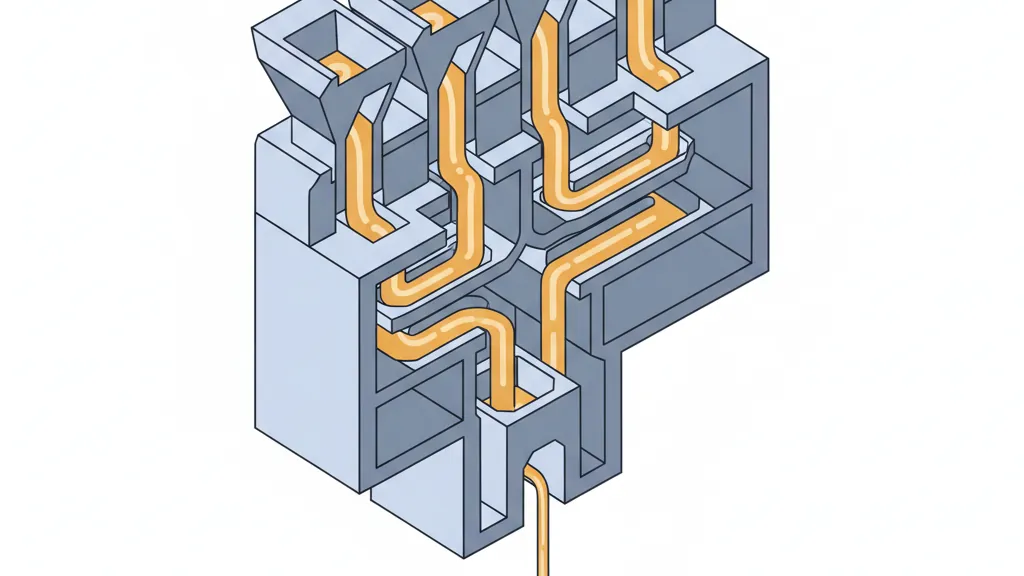
The disparity reflects how modern Layer 2 chains batch transactions before settling to Ethereum, compressing the per-transaction cost of security and finality. Robinhood Chain can aggregate user activity into a single or small number of settlement transactions, lowering the effective cost per user far below what Ethereum's base layer would charge for equivalent throughput. The result is that Layer 2 operators capture the spread between what users pay locally and what settlement to Ethereum actually costs.
Broader Implications
The fee dynamic raises questions about the long-term value proposition of Ethereum's Layer 2 ecosystem. If the base layer receives a minimal share of Layer 2 activity's total fees, it constrains Ethereum's economic security for validating those settlement transactions. Conversely, Layer 2 operators argue the model incentivizes them to build and scale, and that even small settlement fees compound meaningfully once multiple L2s operate at volume.
Why It Matters
For Traders
Low L2 settlement costs translate to high capital efficiency for market makers and arbitrageurs operating on Robinhood Chain, potentially tightening spreads.
For Investors
The fee split raises questions about Ethereum's moat as a settlement layer if L2s capture most revenue; long-term ETH staking economics depend on meaningful settlement demand.
For Builders
L2 operators can afford aggressive fee structures and still maintain margins, intensifying competition for user migration and making UX the primary differentiator among chains.
This article is for information only and is not financial advice. Read the full disclaimer.